
Month: November 2025

delonghi ecam 22.110 b manual

Delonghi ECAM 22․110 B Manual: A Comprehensive Guide

This manual provides detailed instructions for the Delonghi ECAM 22․110 B, covering setup, operation, cleaning, and troubleshooting․ Downloadable instructions are readily available from DNS and official Delonghi stores․

Users can find guides on YouTube for button configuration, while online retailers like Laukar offer purchase options and instruction access․ The ECAM 22․110․B utilizes both ground and whole bean coffee․

Overview of the Delonghi ECAM 22․110 B

The Delonghi ECAM 22․110 B, part of the Magnifica S series, is an automatic coffee machine designed for convenient home use․ It’s recognized for its ability to deliver espresso, lungo, and ristretto, though some users note certain models, like the ECAM 22․114B, may prioritize lungo and ristretto in their default settings․

This machine boasts a 15-bar pump pressure and a 1450W power consumption, accommodating both whole bean and ground coffee․ It’s often compared favorably to models like the ECAM 21․117 and ECAM 22․114, generally being considered a slight improvement across the board․

Key features include adjustable coffee strength and volume, alongside a hot water function for teas or other beverages․ The machine also incorporates an automatic shut-off feature for energy conservation and safety․ Accessing the user manual is straightforward, with downloadable versions available from retailers like DNS and official Delonghi online stores, ensuring users have readily available support․

Key Features and Specifications

The Delonghi ECAM 22․110 B Magnifica S boasts a 1450W power rating and operates at 15 bars of pressure, ensuring optimal coffee extraction․ It’s designed for versatility, accepting both whole coffee beans and pre-ground coffee, catering to diverse preferences․

Key features include customizable coffee strength settings, allowing users to tailor their brew to their liking․ The machine offers three coffee selections: espresso, lungo, and ristretto, though some models may emphasize the latter two․ A dedicated hot water function provides convenience for teas and other hot drinks․

The ECAM 22․110 B is often positioned as an upgrade over models like the ECAM 21․117 and ECAM 22․114․ It includes an automatic shut-off feature for safety and energy efficiency․ Detailed specifications and the user manual are readily available for download from official Delonghi sources and retailers like DNS;

Initial Setup and Installation

Before first use, carefully unpack your Delonghi ECAM 22․110 B and remove all packaging materials; Ensure all components are present․ Begin by rinsing the water reservoir and filter thoroughly․ Install the water filter according to the instructions in the user manual, which is available for download from Delonghi’s website and retailers like DNS․

Next, fill the water reservoir with fresh, filtered water․ Fill the coffee bean container with your preferred whole beans․ Adjust the grinder settings based on your desired coffee strength – consult the manual for guidance․

Plug in the machine and follow the on-screen prompts for initial setup, including language selection and water hardness setting․ Perform a preliminary rinse cycle by brewing water without coffee to cleanse the internal system․ Refer to the downloadable instruction manual for detailed steps․

Water Reservoir and Filter

The Delonghi ECAM 22․110 B features a removable water reservoir, crucial for convenient filling and cleaning․ Always use fresh, filtered water to optimize coffee flavor and prevent scale buildup․ Regularly rinse the reservoir with mild detergent and ensure it’s thoroughly dried before re-installation․

A water filter is included and highly recommended for use․ This filter, installed within the reservoir, reduces chlorine and impurities, enhancing coffee quality and extending machine lifespan․ Replace the filter according to the manual’s guidelines – typically after a set number of brews or time period․

Proper filter maintenance is vital․ Download the user manual from sources like DNS for specific instructions on filter replacement and descaling procedures․ Ignoring these steps can impact performance and necessitate more frequent cleaning․

Coffee Bean Container and Grinder Settings

The Delonghi ECAM 22․110 B incorporates a bean container with an airtight seal to preserve freshness․ Ensure the container is securely closed after each use to maintain aroma and flavor․ The capacity is sufficient for multiple brews, reducing frequent refills․

Adjusting the grinder is key to customizing your coffee; This model features a manual grinder with multiple settings, allowing you to fine-tune the grind size; Finer grinds are suitable for espresso, while coarser grinds are better for longer brews․ Experiment to find your preferred strength․

Refer to the downloadable user manual from sources like DNS for detailed guidance on grinder adjustment․ Proper grind size impacts extraction quality and overall taste․ Regularly check and clean the grinder to prevent clogging and ensure consistent performance․

Control Panel Explained

The Delonghi ECAM 22․110 B features an intuitive control panel designed for ease of use․ Buttons are clearly labeled for Espresso, Lungo, and Ristretto, allowing direct selection of your desired coffee type․ The panel also facilitates adjusting coffee strength to suit individual preferences․

A dedicated button activates the hot water function, useful for teas or other beverages․ YouTube tutorials, such as those from Coffee4Live, provide visual guidance on navigating the control panel and customizing settings․ Understanding these functions unlocks the machine’s full potential․

The absence of an espresso button in some models (like the ECAM 22․114b) means it defaults to Lungo and Ristretto․ Refer to the official manual for specific button configurations and detailed explanations of each control․

Button Functions: Espresso, Lungo, Ristretto

The Delonghi ECAM 22․110 B control panel features dedicated buttons for brewing Espresso, Lungo, and Ristretto coffees․ Espresso delivers a concentrated, intense flavor in a small volume․ Lungo, meaning “long” in Italian, produces a larger cup with a more pronounced aroma, extracting more flavor from the coffee grounds․

Ristretto, conversely, is a “restricted” shot, using less water for an even more concentrated and sweeter flavor profile․ Some models, like the ECAM 22․114b, may not have a dedicated Espresso button, defaulting to Lungo and Ristretto options․

Understanding these distinctions allows users to tailor their coffee experience․ Online resources and the official manual provide detailed explanations of each brew type and how to adjust parameters for optimal results․ Experimentation is encouraged to find your perfect cup!

Adjusting Coffee Strength

The Delonghi ECAM 22․110 B allows users to customize coffee strength to their preference․ This is primarily achieved by adjusting the amount of ground coffee used in each brew cycle․ Increasing the coffee quantity results in a bolder, more intense flavor, while decreasing it yields a milder brew․

The machine’s grinder settings also play a crucial role; a finer grind increases extraction, leading to stronger coffee․ Experimentation is key to finding the ideal balance between coffee quantity and grind size․ Refer to the user manual for specific guidance on these adjustments․

Online tutorials, such as those found on YouTube, demonstrate how to navigate these settings effectively; Remember that coffee bean type and roast level also influence perceived strength, so consider these factors when fine-tuning your brew․

Hot Water Function

The Delonghi ECAM 22․110 B features a dedicated hot water function, useful for preparing teas, infusions, or pre-heating cups․ Activating this function typically involves pressing and holding a specific button on the control panel – consult your user manual for the exact procedure․

The machine delivers hot water directly from the dispenser, bypassing the coffee brewing process․ Ensure the drip tray is correctly positioned to collect any spills․ The water temperature is pre-set and optimized for these applications, though it may not reach boiling point․

Regular descaling is crucial to maintain optimal performance of the hot water function, preventing mineral buildup․ Online resources and the official Delonghi documentation provide detailed descaling instructions․ This function offers versatility beyond espresso and lungo preparation․

Brewing Your First Coffee

Before your initial brew with the Delonghi ECAM 22․110 B, ensure the water reservoir is filled with fresh, filtered water and the bean container holds sufficient coffee beans․ Power on the machine and allow it to complete its automatic priming cycle – this may take a few minutes․

Select your desired coffee strength using the adjustable settings on the control panel․ Choose between espresso, lungo, or ristretto by pressing the corresponding button․ Place a cup under the dispenser and initiate the brewing process․ The machine will grind the beans, tamp the grounds, and brew your coffee automatically․

Monitor the brewing process and adjust settings as needed to achieve your preferred taste․ Remember the ECAM 22․114b model may only offer lungo and ristretto options according to some user reports․ Enjoy your first cup!

Cleaning and Maintenance

Regular cleaning is crucial for maintaining the Delonghi ECAM 22․110 B’s performance and longevity․ Daily, empty the drip tray and grounds container․ Wipe down the exterior with a damp cloth․ Periodically, clean the brewing unit – remove it and rinse thoroughly under running water․

Descaling is essential to remove mineral buildup․ Use a descaling solution following the manufacturer’s instructions․ The machine will likely indicate when descaling is needed․ If your model includes a milk frother, clean it after each use to prevent milk residue buildup․

Refer to the manual for detailed cleaning procedures and recommended frequencies․ Proper maintenance ensures optimal coffee quality and prevents potential issues․ Ignoring cleaning can lead to malfunctions and affect the machine’s lifespan․

Descaling Procedure

Descaling the Delonghi ECAM 22․110 B removes mineral deposits that accumulate over time, impacting performance․ Use a dedicated descaling solution, following the product’s instructions carefully․ First, dilute the solution with water as directed․ Then, pour the mixture into the water reservoir․

Initiate the descaling cycle through the machine’s control panel – consult your manual for specific steps․ The machine will run the solution through its internal components․ After the cycle, rinse the reservoir thoroughly with fresh water and repeat the process with clean water several times․

Regular descaling, as indicated by the machine, prevents malfunctions and ensures optimal brewing temperature and coffee flavor․ Ignoring this maintenance can lead to damage and reduced lifespan․

Cleaning the Brewing Unit

Regular cleaning of the brewing unit is crucial for maintaining coffee quality and machine longevity with the Delonghi ECAM 22․110 B․ Remove the brewing unit by following the instructions in your user manual – typically involving a simple release mechanism․ Rinse the unit thoroughly under running water, removing any coffee grounds or residue․

Pay close attention to the internal components, ensuring no blockages are present․ Use a soft brush to gently scrub away stubborn deposits․ Avoid using harsh detergents or abrasive cleaners, as these can damage the unit․ Lubricate the unit’s seals with a food-safe silicone grease periodically․

Reinstall the brewing unit securely, ensuring it clicks into place correctly․ A clean brewing unit guarantees optimal extraction and prevents bitter flavors in your coffee․

Cleaning the Milk Frother (if applicable)

The Delonghi ECAM 22․110 B, while a streamlined model, may have a milk frother attachment depending on the specific configuration․ If your machine includes one, diligent cleaning is essential to prevent milk residue buildup․ Immediately after each use, disassemble the frother components – typically the steam wand and milk container․

Rinse all parts thoroughly under warm running water, removing any traces of milk․ For stubborn residue, soak the components in a solution of warm water and mild dish soap․ Use a small brush to clean the steam wand’s nozzle, ensuring it’s free from blockages․

Ensure all parts are completely dry before reassembling․ Regular cleaning prevents bacterial growth and ensures consistently frothed milk for your beverages․ Consult your user manual for specific disassembly and cleaning instructions related to your frother model․

Troubleshooting Common Issues

Encountering problems with your Delonghi ECAM 22․110 B? Several common issues can arise․ If coffee isn’t brewing, check the water reservoir and bean container levels․ Ensure the machine is properly plugged in and the power is on․ A non-functioning grinder could indicate bean blockage or a mechanical fault – try a descaling cycle․

Water leaks often stem from loose connections or a faulty water reservoir seal․ Inspect these areas carefully․ If the machine displays an error code, consult the error code section of this manual for specific guidance․ Remember to regularly descale your machine to prevent mineral buildup, a frequent cause of operational issues․

For persistent problems, refer to the full user manual or contact Delonghi customer support for assistance․ Online forums and communities can also offer helpful troubleshooting tips from other users․

Coffee Not Brewing

If your Delonghi ECAM 22․110 B isn’t brewing coffee, begin by verifying the water reservoir is filled to the appropriate level․ Next, confirm the bean container holds sufficient coffee beans, or that ground coffee is correctly loaded if using that option․ Ensure the machine is powered on and hasn’t entered an automatic shut-off state․

A common culprit is a blockage within the brewing unit or coffee grounds․ Perform a cleaning cycle for the brewing unit, as detailed in the maintenance section․ Consider descaling the machine, as mineral buildup can restrict water flow․ Check for error codes displayed on the control panel, which may pinpoint the issue․

Finally, ensure the selected coffee volume isn’t set to zero․ If the problem persists, consult the full manual or contact Delonghi support․

Grinder Not Working

If the grinder on your Delonghi ECAM 22․110 B isn’t functioning, first ensure the bean container is properly seated and contains enough coffee beans․ A low bean level can sometimes prevent activation․ Check for any obstructions within the bean container or grinder mechanism itself – foreign objects can cause jams․

Attempt adjusting the grinder settings to a coarser grind; a very fine setting can sometimes overload the motor․ Run a few grinding cycles without beans to clear any residual grounds․ Listen for unusual noises, which might indicate a mechanical issue․

If the problem continues, consult the troubleshooting section of the manual for specific error codes․ Descaling the machine can also indirectly resolve grinder issues related to buildup․ Contact Delonghi support if the grinder remains unresponsive․

Water Leaks

If you notice water leaks from your Delonghi ECAM 22;110 B, immediately inspect the water reservoir for cracks or improper seating․ Ensure it’s correctly inserted and the seal is intact․ Check the water tank hose connections to the machine for looseness or damage․

Examine the brewing unit for any signs of wear or blockage, as this can cause overflow․ Verify the drip tray is correctly positioned and not overflowing․ Descaling the machine regularly prevents mineral buildup that can contribute to leaks․

Inspect the internal hoses and connections, though this may require professional assistance․ If leaks persist after these checks, contact Delonghi support or a qualified technician for repair․ Do not attempt to disassemble the machine beyond what’s outlined in the manual․

Understanding Error Codes

The Delonghi ECAM 22․110 B utilizes error codes to signal specific issues․ While a comprehensive list isn’t readily available in the provided snippets, understanding the system is crucial for troubleshooting․ Error messages typically appear on the control panel, prompting user action․

Common issues triggering codes include problems with the brewing unit, grinder malfunction, water supply issues, or descaling needs․ Refer to the full user manual (downloadable from DNS and official Delonghi sites) for a detailed explanation of each code․

Attempting to resolve the issue based on the code’s description is the first step․ If the error persists, contacting Delonghi support or a qualified technician is recommended․ Ignoring error codes can lead to further damage to the machine․

Downloading the User Manual

Accessing the complete user manual for your Delonghi ECAM 22․110 B is straightforward․ Several online resources offer downloadable versions, ensuring you have readily available guidance․ DNS, a prominent electronics retailer, provides a direct download link for the manual in PDF format․

Additionally, the official Delonghi website and various online appliance stores, such as Laukar, also host the manual․ A Google Drive link is also available, eliminating the need for registration or SMS verification for quick access․ These digital copies cover all aspects of operation, maintenance, and troubleshooting․

Downloading the manual allows you to familiarize yourself with the machine’s features, understand error codes, and perform necessary maintenance procedures effectively․ Having a digital copy ensures you always have the information at your fingertips․

Where to Find Replacement Parts

Sourcing replacement parts for your Delonghi ECAM 22․110 B is crucial for maintaining its longevity and performance․ Official Delonghi retailers and their authorized service centers are the primary sources for genuine parts․ Online marketplaces, such as eBay and Amazon, also offer a wide selection from various vendors․

Specialized appliance parts websites frequently stock components specific to Delonghi coffee machines, including brewing units, grinders, and water reservoirs․ Checking the Delonghi website directly can provide part numbers and compatibility information․ DNS, as a retailer, may also carry common replacement parts․

When ordering, ensure the part number matches your machine’s model to guarantee compatibility․ Consider contacting Delonghi customer support for assistance in identifying the correct parts for your specific needs․

Comparing ECAM 22․110 B to Similar Models (ECAM 21․117, ECAM 22․114)

The Delonghi ECAM 22․110 B, alongside models ECAM 21․117 and ECAM 22․114, falls within the Magnifica S series, offering similar core functionality․ The ECAM 22․114, notably, has a simplified interface, brewing only Lungo and Ristretto, lacking a dedicated Espresso button as found in the manual․ All three models utilize both whole bean and ground coffee, boasting a 15-bar pump pressure․

The ECAM 22․110 B and 21․117 generally offer more comprehensive control over brewing parameters․ Differences lie in minor design variations and potentially slightly different grinder settings․ The ECAM 290․22․B, mentioned as an alternative, includes a Doppio function absent in the 22․110 B, while lacking an Americano option․

Choosing between them depends on desired features and brewing preferences, with the 22․110 B offering a balance of features and ease of use․

Adjusting Coffee Volume

The Delonghi ECAM 22;110 B allows for personalized coffee volume adjustments to suit individual preferences․ Users can modify the amount of coffee dispensed for each brewing style – Espresso, Lungo, and Ristretto․ This customization is typically achieved through the machine’s control panel, often involving a ‘volume’ or ‘length’ setting․

Refer to the user manual for specific instructions on accessing and modifying these settings, as the exact procedure may vary․ Generally, you’ll navigate the menu using the control panel buttons, selecting the desired coffee type and then adjusting the volume using the ‘+’ and ‘-’ buttons․

Remember to save your changes after each adjustment․ Experimenting with different volumes allows you to fine-tune your coffee experience, achieving the perfect cup every time․ YouTube tutorials also demonstrate this process visually․

Using Ground Coffee

The Delonghi ECAM 22․110 B offers the flexibility of using pre-ground coffee in addition to whole beans․ To utilize this feature, locate the dedicated ground coffee compartment, typically accessed after opening the bean container area․ Ensure the machine is turned on before adding ground coffee․

Add the desired amount of ground coffee to the compartment, avoiding overfilling․ Select the ‘ground coffee’ option on the control panel – this may involve pressing and holding a specific button or navigating through the menu․ The machine will then brew using the ground coffee instead of grinding beans․

This is useful when you want to use a specific coffee blend or when the bean container is empty․ Remember to remove any remaining ground coffee after brewing to maintain freshness․ Refer to the manual for detailed instructions and recommended coffee quantities․

Automatic Shut-Off Feature

The Delonghi ECAM 22․110 B is equipped with an automatic shut-off feature designed for energy conservation and enhanced safety․ This function automatically powers down the machine after a period of inactivity, typically around 30 minutes, though this timeframe can vary․

The automatic shut-off activates when the machine hasn’t been used for brewing or any other function․ This prevents unnecessary energy consumption and reduces the risk of overheating․ It’s a convenient feature, but it’s important to be aware of it to avoid unexpected interruptions․

If you anticipate needing to use the machine again shortly, you can disable this feature through the settings menu, if available․ Consult the user manual for specific instructions on adjusting or disabling the automatic shut-off function․ This ensures the machine remains ready when you need it․

Resetting the Machine to Factory Settings

Resetting your Delonghi ECAM 22․110 B to factory settings can resolve certain operational issues or prepare the machine for a new user․ However, be aware that this process will erase all personalized settings, including coffee strength preferences, cup sizes, and any customized programming․

The exact procedure for a factory reset isn’t explicitly detailed in the snippets provided, emphasizing the importance of consulting the official user manual․ Typically, this involves a specific sequence of button presses, often held simultaneously for a set duration․

Before proceeding, document your current settings if you wish to restore them later․ A factory reset should be considered a last resort for troubleshooting, after attempting other solutions like descaling and cleaning․ Refer to the manual for detailed, step-by-step instructions to avoid any complications during the reset process․

Warranty Information

Delonghi provides a warranty for the ECAM 22․110 B, offering protection against manufacturing defects in materials and workmanship․ The specific duration and coverage details of this warranty can vary depending on your region and the retailer from which you purchased the machine․

It’s crucial to retain your proof of purchase, such as the original receipt or invoice, as this will be required to make a warranty claim․ The warranty typically covers repairs or replacement of defective parts, but may not include damage caused by misuse, improper cleaning, or unauthorized modifications․

For comprehensive warranty details, including what is covered and excluded, refer to the official warranty documentation included with your Delonghi ECAM 22․110 B․ Contact Delonghi’s customer support or visit their website for assistance with warranty claims and service inquiries․


nspe code of ethics pdf

NSPE Code of Ethics PDF: A Comprehensive Overview (Updated 11/26/2025)

Updated November 26, 2025, this document details the NSPE Code of Ethics, navigating complex scenarios like AI integration and union involvement,
emphasizing ethical engineering practice and professional responsibility.

The NSPE Code of Ethics serves as the cornerstone of professional conduct for engineers, establishing a framework for responsible practice and upholding public trust. This document, regularly updated – most recently on November 26, 2025 – outlines fundamental principles guiding engineers in their duties to the public, clients, employers, and the profession itself.

It’s not merely a set of rules, but a commitment to integrity, fairness, and prioritizing public safety, health, and welfare above all else. The Code addresses increasingly complex ethical dilemmas arising from technological advancements, like Artificial Intelligence, and evolving workplace dynamics, such as collective bargaining through union membership.

Understanding and adhering to this Code is crucial for maintaining professional licensure and demonstrating a dedication to ethical engineering. It provides a vital resource for navigating challenging situations and ensuring responsible decision-making throughout an engineer’s career, fostering a culture of accountability and trust within the engineering community.

What is the NSPE and its Role?

The National Society of Professional Engineers (NSPE) is the primary professional organization representing licensed Professional Engineers (PEs) across the United States. Founded in 1934, NSPE’s core mission is to promote the engineering profession and protect its integrity through advocacy, education, and ethical guidance.

A key component of NSPE’s role is the development and maintenance of the NSPE Code of Ethics, a widely recognized standard for ethical engineering practice. This Code isn’t legally enforceable in itself, but it heavily influences state licensing boards and serves as a benchmark for professional conduct.

NSPE actively advocates for policies that support the engineering profession, provides continuing education opportunities for its members, and offers resources to help engineers navigate complex ethical challenges. By championing ethical behavior and professional development, NSPE plays a vital role in ensuring public safety and maintaining the public’s confidence in the engineering profession.

Accessing the NSPE Code of Ethics PDF

The NSPE Code of Ethics PDF is readily available for download directly from the NSPE website, www.nspe.org. Typically found within the “Ethics” or “Resources” section of the site, the PDF document provides a comprehensive and easily accessible version of the current Code.

Users can generally access the PDF without a membership login, making it a valuable resource for both NSPE members and the general public. The document is regularly updated, with the current version reflecting changes approved as of November 26, 2025.

Beyond the primary PDF, NSPE also offers supplementary materials, including case studies and ethics resources, to aid in understanding and applying the Code’s principles. These resources further support engineers in navigating ethical dilemmas and upholding professional standards.

Fundamental Canons of the NSPE Code

Core principles guide engineers: public safety first, competence in practice, honesty and fairness in all actions, and maintaining professional integrity at all times.

Canon 1: Hold Paramount the Safety, Health, and Welfare of the Public

This foundational canon dictates that engineers prioritize public well-being above all other considerations. It’s not merely about avoiding harm, but proactively ensuring safety, health, and welfare are central to all engineering endeavors. This responsibility extends beyond direct clients or employers; it encompasses the broader community and future generations.

Engineers must be vigilant in identifying and mitigating potential risks, even if it means challenging established practices or facing economic pressures. Delaying safety inspections, as noted, presents a clear ethical breach of this canon. Transparency is crucial – engineers have a duty to disclose any factors that could compromise public safety. This canon demands a commitment to responsible innovation and a willingness to advocate for solutions that prioritize the common good, even when those solutions are complex or unpopular. Ultimately, public trust is paramount, and upholding this canon is essential for maintaining that trust.

Canon 2: Perform Services Only in Areas of Competence

This canon emphasizes the critical importance of engineers practicing within their proven expertise. It’s not enough to simply possess a degree or license; engineers must continually assess and acknowledge the boundaries of their knowledge and skills. Accepting assignments outside these boundaries is a direct violation of this ethical principle.

The rise of Artificial Intelligence (AI) introduces new complexities. While AI can be a powerful tool, engineers must possess the competence to understand its limitations, validate its outputs, and retain ultimate responsibility for the work. Simply relying on AI without critical evaluation is unacceptable. Continuous professional development and education are vital for maintaining competence and adapting to evolving technologies. Seeking guidance from, or collaborating with, experts in unfamiliar areas is also ethically sound. This canon safeguards the public by ensuring engineering work is performed by qualified individuals.

Canon 3: Act with Fairness and Honesty to All

This fundamental canon underscores the engineer’s obligation to maintain impartiality and truthfulness in all professional interactions. Fairness extends to clients, employers, colleagues, and the public – encompassing unbiased judgment and equitable treatment. Honesty demands transparency regarding potential conflicts of interest, accurate representation of qualifications, and truthful reporting of data and findings.

Regarding union membership and collective bargaining, while not inherently unethical, engineers must ensure their participation doesn’t compromise their duty to public safety. Delays in crucial safety inspections due to union actions, for example, would violate this canon. Exploitation by employers, however, doesn’t negate the need for honest and fair dealings. Engineers should advocate for ethical working conditions while upholding their professional responsibilities. Maintaining integrity in all aspects of practice builds trust and safeguards the profession’s reputation.

Detailed Examination of Ethical Obligations

Exploring core duties, this section analyzes conflicts of interest, professional development, and data integrity—vital components for responsible engineering practice and ethical conduct.

Conflicts of Interest and Disclosure

Navigating impartiality is crucial for engineers. The NSPE Code demands full disclosure of potential conflicts of interest, ensuring objectivity in professional judgments. This includes financial interests, close relationships, or any situation that could compromise independent decision-making. Engineers must prioritize the public welfare and client interests above personal gain.

Failure to disclose can lead to severe repercussions, including disciplinary action by licensing boards. Transparency builds trust and maintains the integrity of the profession. Engineers are ethically obligated to avoid situations creating actual or perceived conflicts, or to mitigate them through open communication and recusal when necessary.

Consider scenarios where an engineer owns stock in a company bidding on a project they are evaluating – a clear conflict requiring disclosure. Maintaining ethical boundaries is paramount, safeguarding public trust and upholding the standards of the engineering profession.

Professional Competence and Continuing Education

Maintaining expertise is a cornerstone of ethical engineering practice, as outlined in the NSPE Code. Engineers are obligated to perform services only within their areas of competence, grounded in education and experience. This isn’t a static state; the field evolves rapidly, demanding ongoing professional development.

Continuing education – through courses, workshops, and independent study – is essential to stay abreast of new technologies, codes, and standards. Canon 2 explicitly addresses this, emphasizing the responsibility to enhance skills and knowledge throughout one’s career. Utilizing AI, for example, requires understanding its limitations and ethical implications.

Accepting assignments beyond one’s current capabilities without acquiring the necessary expertise is a breach of ethical duty. Seeking guidance from qualified colleagues or declining the assignment are appropriate responses, safeguarding both public safety and professional integrity.

Accuracy and Integrity in Engineering Reports & Data

Truthfulness and precision are paramount in all engineering communications, as dictated by the NSPE Code of Ethics. Reports, data, and findings must be presented accurately, objectively, and without distortion. Engineers have a duty to avoid any form of misrepresentation or suppression of crucial information, even if it’s unfavorable to a client or employer.

This principle extends to the burgeoning field of Artificial Intelligence. When utilizing AI-generated data or insights, engineers must critically evaluate its validity and ensure proper attribution. Simply accepting AI outputs without independent verification is ethically irresponsible.

Fabricating data, manipulating results, or offering biased interpretations undermines public trust and compromises the integrity of the profession. Transparency and honesty are non-negotiable, forming the bedrock of ethical engineering practice and upholding the safety, health, and welfare of the public.

Specific Ethical Scenarios & Considerations

This section explores nuanced ethical dilemmas, including AI’s impact, union dynamics, and safety inspection delays—all demanding careful consideration and adherence to NSPE guidelines.

AI and Ethical Practice (Competency, Control, Attribution)

The integration of Artificial Intelligence into engineering practice introduces novel ethical challenges demanding careful scrutiny. Central to these concerns are questions of competency, control, and proper attribution. Fundamental Canon I.2 of the NSPE Code emphasizes that engineers must practice only within their areas of competence, and section II.2;a requires qualification through education or experience.

However, utilizing AI tools necessitates a re-evaluation of these standards. Is employing AI simply adding another tool to an engineer’s skillset, or does it represent a more fundamental shift in responsibility? Engineers must maintain oversight and control over AI-generated outputs, ensuring accuracy and validity.

Furthermore, proper attribution is crucial. Engineers are ethically obligated to acknowledge the role of AI in their work, avoiding any implication of solely human-driven creation. Respect for client privacy and data security also become paramount when utilizing AI systems. The core question remains: how do engineers ethically leverage AI’s power while upholding their professional obligations?

Union Membership and Collective Bargaining (Ethical Implications)

The ethical implications of union membership and collective bargaining for engineers are often debated. While generally considered ethical, particularly in preventing employer exploitation, specific scenarios require careful consideration under the NSPE Code. Delays in critical areas like safety inspections, potentially caused by union actions, can present ethical dilemmas.

However, denying engineers the right to collective bargaining can itself be viewed as unethical. As design engineers often face exploitative practices, unionization offers a means to address imbalances of power. The employer, not the individual engineer, bears the primary responsibility for project timelines and client communication.

Licensing boards must define the boundaries of acceptable collective bargaining tactics, recognizing that blanket prohibitions could be detrimental. Unions, at their core, aim to protect professionals, but must not compromise public safety or professional integrity. A balanced approach is crucial, allowing engineers to advocate for fair treatment without violating ethical obligations.

Safety Inspections and Ethical Delays

Ethical obligations surrounding safety inspections are paramount within the NSPE Code. Any delay in conducting or reporting findings from these inspections is often considered a serious ethical violation, potentially endangering public health and welfare. This is particularly true when collective bargaining or union activities contribute to such delays.

However, determining an “unethical” delay requires nuanced judgment. While immediate action is often necessary, factors like resource availability, logistical challenges, and the scope of the inspection must be considered. Engineers must prioritize safety, but also operate within realistic constraints.

The core conflict arises when union pressure tactics impede timely inspections. Licensing boards must establish clear guidelines defining acceptable and unacceptable delays, balancing an engineer’s right to collective bargaining with their duty to protect the public. Transparency and documentation are vital in justifying any necessary postponements, demonstrating a commitment to ethical conduct.

Enforcement and Consequences of Violations

Reporting violations is crucial; disciplinary actions range from reprimands to license revocation, overseen by licensing boards ensuring ethical standards are maintained consistently.

Reporting Ethical Violations

The NSPE Code of Ethics relies heavily on diligent reporting of perceived violations to maintain its integrity and protect the public interest. Engineers have a professional obligation to report any breaches of the code they become aware of, whether directly observed or learned through other sources.

Typically, reports are submitted to the relevant state licensing board or directly to the NSPE ethics committee; The reporting process often requires detailed documentation, including specific instances of unethical conduct, dates, individuals involved, and any supporting evidence.

Confidentiality is generally maintained to the extent possible, protecting the reporter from potential retaliation. However, complete anonymity may not always be guaranteed, especially if further investigation requires the reporter’s testimony. It’s vital to report in good faith, based on reasonable belief, avoiding frivolous or malicious accusations. Failing to report known ethical violations can, in itself, be considered a breach of ethical responsibility.

Disciplinary Procedures and Penalties

Upon receiving a report of an ethical violation, the NSPE or relevant state licensing board initiates a thorough investigation. This typically involves gathering evidence, interviewing witnesses, and providing the accused engineer with an opportunity to respond to the allegations.

If the investigation substantiates the violation, disciplinary actions can range from a letter of reprimand to suspension or revocation of the engineer’s license. Other penalties may include mandatory ethics training, fines, or public censure.

The severity of the penalty depends on the nature and gravity of the offense, as well as any mitigating or aggravating circumstances. Engineers have the right to appeal disciplinary decisions through established administrative and judicial processes. Maintaining a strong ethical framework necessitates consistent and fair enforcement of these procedures and penalties, safeguarding public trust in the engineering profession.

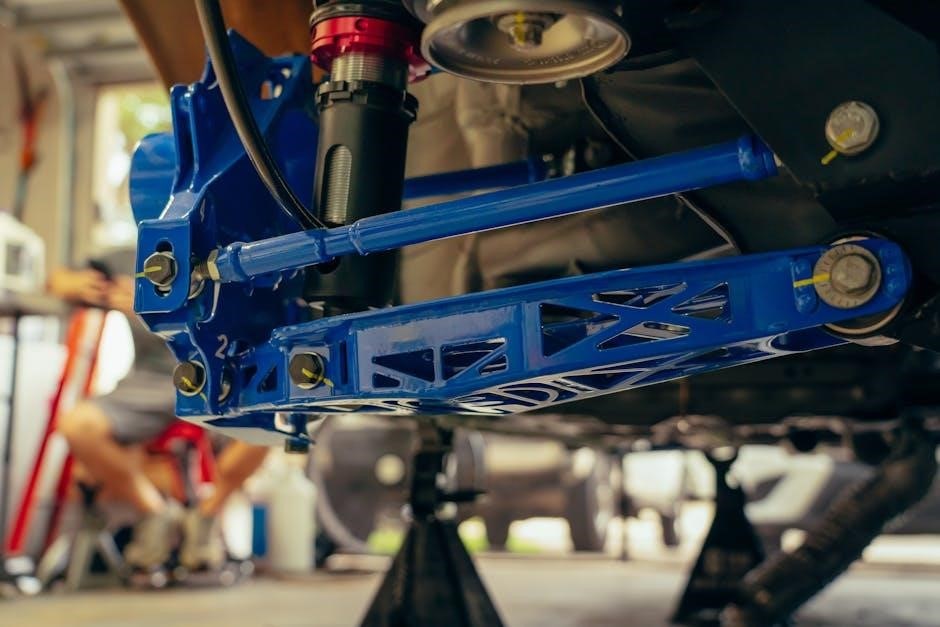
suspension tuning guide

Suspension tuning is crucial for optimizing vehicle performance, comfort, and safety. It involves adjusting components like springs and dampers to enhance handling and stability. Proper tuning ensures your vehicle adapts to various driving conditions, providing a smoother ride and better control. As seen in updated models like the Mitsubishi Outlander, modern suspension systems offer improved tech and customization options, making tuning more accessible for drivers seeking peak performance and comfort.

1.1 Importance of Suspension Tuning

Suspension tuning is essential for optimizing a vehicle’s performance, safety, and comfort. A well-tuned suspension ensures better handling, stability, and control, especially during cornering or braking. It also enhances ride comfort by absorbing road irregularities effectively. Proper tuning prevents premature wear on suspension components and improves overall vehicle balance. For drivers seeking peak performance, suspension tuning allows customization to suit specific driving styles or road conditions. Whether for daily commuting or high-performance driving, a correctly tuned suspension system is critical for maximizing efficiency and safety. Regular tuning also helps maintain optimal tire contact with the road, improving traction and reducing the risk of accidents.

1.2 Brief Overview of Suspension Systems

A suspension system is a critical component of a vehicle, designed to connect the vehicle to its wheels while absorbing shocks from the road. It consists of springs, dampers, and anti-roll bars, working together to provide stability, comfort, and control. Modern suspension systems, like those in the updated Mitsubishi Outlander, incorporate advanced technologies for improved performance. Passive systems rely on fixed-rate components, while active systems adjust dynamically. Suspension systems play a vital role in maintaining tire contact with the road, reducing body roll, and ensuring a smooth ride. Properly designed and tuned suspensions enhance safety, handling, and overall driving experience, making them essential for both everyday vehicles and high-performance cars.

Understanding Suspension Components

Suspension systems comprise springs, dampers, and anti-roll bars, each playing a vital role in absorbing shocks, maintaining stability, and ensuring control. Modern vehicles, like the Mitsubishi Outlander, integrate advanced suspension technologies for enhanced performance and comfort, making these components essential for a smooth and safe driving experience.

2.1 Springs and Their Role

Springs are a fundamental component of any suspension system, designed to store and release energy as the vehicle navigates uneven terrain. They play a crucial role in maintaining ride height and absorbing shocks from the road. Coil springs are the most common type, offering a balance between comfort and performance. The spring rate, measured in pounds per inch, determines how stiff or soft the suspension feels. Properly tuned springs ensure optimal weight distribution, reducing body roll during cornering. Modern vehicles, like the Mitsubishi Outlander, often feature advanced spring designs to enhance ride quality. Adjusting springs is a key part of suspension tuning, directly impacting handling and comfort.

2.2 Dampers and Their Function

Dampers, often referred to as shock absorbers, are essential for controlling the oscillations of springs and maintaining vehicle stability. Their primary function is to dissipate energy, preventing excessive bouncing and swaying. By regulating the movement of the suspension, dampers ensure consistent tire contact with the road, improving traction and handling. They are typically adjustable, allowing drivers to fine-tune settings for varying driving conditions. Modern vehicles, such as the Mitsubishi Outlander, feature advanced damping systems that adapt to real-time driving dynamics. Properly functioning dampers are critical for both performance and safety, making them a key focus in suspension tuning. Adjusting dampers requires careful consideration of driving style and road conditions to achieve optimal results.

2.3 Anti-Roll Bars and Their Purpose

Anti-roll bars, also known as sway bars, are suspension components designed to reduce body roll during cornering. They connect the left and right sides of the suspension, transferring force to minimize tilting. This enhances stability and improves handling by keeping the vehicle more level. Adjustable anti-roll bars allow drivers to fine-tune stiffness based on driving conditions. In vehicles like the Mitsubishi Outlander, they play a key role in balancing comfort and performance. Properly set anti-roll bars ensure consistent tire contact, reducing understeer or oversteer. They are a critical component in suspension tuning, offering drivers control over how their vehicle responds to lateral movements.

Tools and Equipment Needed

Essential tools include spring compressors, damper adjustment tools, and alignment equipment for camber and toe. Safety gear like jack stands and wheel chocks is also crucial. Modern suspension kits, such as MMX Performance Kits, offer tailored solutions for optimal handling and comfort, ensuring precise adjustments for various driving conditions and vehicle types.

3.1 Essential Tools for Suspension Tuning

The essential tools for suspension tuning include spring compressors, damper adjustment tools, and alignment equipment for camber and toe adjustments. A torque wrench is necessary for precise bolt tightening. Jack stands and wheel chocks ensure safety during adjustments. Modern suspension kits, like MMX Performance Kits, often come with specialized tools tailored to specific vehicles. These tools help achieve optimal handling and comfort by allowing precise adjustments to springs, dampers, and anti-roll bars. Having the right tools ensures a safe and effective tuning process, whether fine-tuning for daily driving or optimizing for high-performance conditions.

3.2 Safety Equipment and Precautions

When tuning your suspension, safety is paramount. Essential equipment includes jack stands, wheel chocks, and a torque wrench to ensure stability and precise adjustments. Always wear protective gear like gloves and safety glasses. Work on a level surface and never rely solely on a jack. Proper lifting techniques and securing the vehicle prevent accidents. Refer to your vehicle’s manual for specific precautions, as seen in updated models like the Mitsubishi Outlander. Ignoring safety measures can lead to injuries or damage. Always double-check tightness of components and test drive cautiously after adjustments. Prioritizing safety ensures a successful and incident-free tuning process.

Step-by-Step Suspension Tuning Guide

A step-by-step suspension tuning guide helps optimize vehicle performance. Start by assessing the current setup, then adjust ride height, camber, toe, and damping settings. Test and refine for optimal handling and comfort.

4.1 Assessing Current Suspension Setup

Assessing the current suspension setup is the first step in tuning. Start by visually inspecting all components for wear or damage. Measure ride height to ensure it matches manufacturer specifications. Test the suspension by bouncing each corner to check for sponginess or excessive movement. Note how the vehicle handles during test drives, paying attention to issues like uneven tire wear or pulling to one side. Use these observations to identify areas needing adjustment. Refer to the vehicle’s specifications and guidelines for baseline settings. This evaluation helps create a clear starting point for making targeted adjustments. Modern vehicles, like the Mitsubishi Outlander, may offer advanced suspension systems that require precise tuning for optimal performance.

4.2 Adjusting Ride Height

Adjusting ride height is a fundamental step in suspension tuning. It involves raising or lowering the vehicle to achieve optimal handling and aerodynamics. Use a ruler or ride height gauge to measure the distance from the wheel arch to the wheel rim. Compare this to the manufacturer’s specifications or your desired setup. Loosen the suspension components and use spring compressors or adjustment tools to modify the height. Ensure the vehicle is on level ground and evenly loaded. Avoid over-lowering, as it can compromise ground clearance and stability. After adjustments, test the vehicle to ensure proper alignment and handling characteristics. This step is crucial for balancing performance and comfort, especially in vehicles like the Mitsubishi Outlander, where ride height adjustments can significantly impact driving dynamics.

4.3 Setting Camber and Toe Angles

Setting camber and toe angles is essential for optimal tire wear and handling. Camber affects cornering grip, while toe angle influences straight-line stability. Use a camber gauge and alignment tools to measure and adjust these angles accurately. Start by loosening the suspension components. Measure the current camber and toe, then adjust them to the manufacturer’s specifications or your preferred setup. Tighten all components securely after adjustments. A test drive is necessary to ensure proper alignment and handling. Properly set camber and toe angles enhance performance, reduce uneven tire wear, and ensure a smoother, more controlled driving experience for improved overall safety and efficiency.

4.4 Adjusting Damping Settings

Adjusting damping settings fine-tunes your suspension’s responsiveness and stability. Damping controls how quickly the suspension reacts to road inputs, balancing comfort and performance. Start by understanding rebound (resistance to extension) and compression (resistance to compression) settings. Use a damping adjustment tool to modify these settings. Begin with small increments, testing each adjustment through a test drive. Softer settings improve comfort but may reduce stability, while stiffer settings enhance handling but can compromise ride quality. Fine-tune based on driving conditions and personal preference. Proper damping adjustments ensure optimal performance, safety, and comfort, making it a critical step in suspension tuning for any vehicle.

Advanced Suspension Tuning Techniques

Advanced techniques involve fine-tuning spring rates, optimizing anti-roll bars, and refining damping settings for precise control. These methods enhance handling, stability, and performance, tailored to specific driving needs.

5.1 Fine-Tuning Spring Rates

Fine-tuning spring rates is a critical step in advanced suspension tuning. It involves adjusting the stiffness of springs to achieve the perfect balance between handling and comfort. Stiffer springs improve cornering stability by reducing body roll, while softer springs enhance ride comfort on uneven surfaces. The process begins with assessing the vehicle’s weight distribution and driving conditions. Using tools like spring rate testers, technicians can measure and adjust the springs to match the desired performance characteristics. Modern suspension kits, such as MMX Performance Suspension Kits, offer customizable spring options tailored to specific driving styles and road conditions, ensuring optimal results for enthusiasts and everyday drivers alike.

5.2 Optimizing Anti-Roll Bar Settings

Optimizing anti-roll bar settings enhances a vehicle’s stability and reduces body roll during cornering. These bars connect the left and right suspension systems, distributing lateral forces evenly. Adjusting their stiffness involves testing on various surfaces to find the ideal balance between handling and comfort. Stiffer bars improve agility but may compromise ride quality, while softer settings offer a smoother ride at the expense of stability. Modern suspension kits, like MMX Performance Suspension Kits, provide adjustable anti-roll bars tailored to specific driving styles. Fine-tuning these settings requires careful testing and iteration to ensure optimal performance without sacrificing comfort, making them a key component in advanced suspension tuning strategies.

5.3 Advanced Damping Adjustments

Advanced damping adjustments focus on fine-tuning the compression and rebound settings of your dampers to achieve optimal performance. Compression damping controls how the suspension reacts to bumps and weight transfer during acceleration, while rebound damping manages how quickly the suspension returns to its neutral position after compression. Adjusting these settings requires careful testing on various surfaces to ensure a balance between handling precision and ride comfort. Modern suspension systems, like those in the updated Mitsubishi Outlander, often feature adjustable dampers that allow drivers to tailor the feel to their preferences. Using tools like the MMX Performance Suspension Kits can help achieve the perfect setup for specific driving styles and road conditions, ensuring enhanced stability and control without sacrificing comfort.

Testing and Iteration

Testing involves evaluating the vehicle’s performance after adjustments, ensuring optimal handling and comfort. Iteration refines settings based on feedback, using tools like MMX Performance Kits for precision.

6.1 Conducting a Test Drive

A test drive is essential to evaluate how suspension adjustments impact the vehicle’s performance. Start with a familiar route to notice changes in handling and comfort. Pay attention to how the vehicle responds to bumps, corners, and acceleration. For instance, the updated Mitsubishi Outlander’s suspension tuning highlights improved stability and ride quality. Use this opportunity to assess if the current setup meets your driving needs. Note any areas for improvement, such as understeer or excessive bounce. This feedback is crucial for further refinement. Always prioritize safety and test in controlled conditions to avoid hazards. Documenting observations ensures accurate adjustments in the next iteration.

6.2 Analyzing Feedback and Making Adjustments

After the test drive, carefully analyze the feedback to identify areas needing improvement. Note how the vehicle handles corners, braking, and uneven surfaces. If the ride feels too stiff or soft, adjust spring rates or damping settings accordingly. Pay attention to uneven tire wear, which may indicate misaligned camber or toe angles. Use the insights to fine-tune anti-roll bars for better stability. Modern vehicles, like the updated Mitsubishi Outlander, showcase how suspension tuning can enhance both performance and comfort. Iterate on adjustments, ensuring each change improves the overall driving experience. Documenting each modification helps track progress and achieve the desired balance of handling and ride quality.

Maintenance and Upkeep

Regular inspection of suspension components ensures optimal performance and safety. Replace worn parts promptly to maintain handling and comfort, following manufacturer guidelines for best results.

7.1 Regular Inspection of Suspension Components

Regular inspection of suspension components is essential for maintaining optimal vehicle performance and safety. Check springs, dampers, and anti-roll bars for signs of wear or damage. Look for rust, corrosion, or fluid leaks, especially around shock absorbers and struts. Inspect bushings and mounts for cracks or excessive movement. Ensure all bolts and nuts are tightened to manufacturer specifications. Use a checklist to systematically evaluate each part. For vehicles like the Mitsubishi Outlander, updated suspension systems may require specific inspection techniques. Addressing issues early prevents costly repairs and ensures a smooth, safe ride. Document findings and plan maintenance accordingly to keep your suspension in peak condition.

7.2 Replacing Worn-Out Parts

Replacing worn-out suspension parts is critical for maintaining vehicle stability and performance. Identify components showing excessive wear, such as bushings, mounts, or dampers. Use high-quality replacement kits, like MMX Performance Suspension Kits, designed for your vehicle’s make and model. Always follow manufacturer guidelines for replacement procedures. Ensure proper alignment and torque specifications during installation. Regularly updating worn parts prevents further damage to the suspension system. For vehicles like the Mitsubishi Outlander, updated suspension systems may offer improved durability and customization options. Replacing parts promptly enhances safety, handling, and ride comfort, ensuring your vehicle performs optimally under various driving conditions.

Common Mistakes to Avoid

Over-tightening or under-tightening components and ignoring manufacturer guidelines are common errors. Proper suspension tuning enhances handling and comfort, as seen in updated models like the Mitsubishi Outlander.

8.1 Over-Tightening or Under-Tightening Components

Over-tightening suspension components can lead to excessive stress, causing premature wear or even failure. Conversely, under-tightening may result in loose parts, compromising stability and safety. Both mistakes can negatively impact handling and ride quality. Proper torque specifications must be followed to ensure components are securely fastened without over-stressing. Using a torque wrench and referring to manufacturer guidelines is essential. Additionally, regular inspections can help identify and correct such issues before they escalate. Avoiding these common errors ensures optimal performance and longevity of the suspension system, as highlighted in resources like MMX Performance Suspension Kits tailored for specific driving conditions.

8.2 Ignoring Manufacturer Guidelines

Ignoring manufacturer guidelines during suspension tuning can lead to unsafe driving conditions and potential system failure. Guidelines are developed based on extensive testing and ensure optimal performance, safety, and durability. Deviating from recommended specifications can result in improper adjustments, leading to reduced handling, uneven tire wear, or even component damage. Additionally, ignoring these guidelines may void warranties or lead to costly repairs. Always refer to the manufacturer’s instructions for torque values, part replacements, and adjustment procedures. This ensures your suspension system operates as intended, providing the desired balance of comfort and performance, as emphasized by resources like MMX Performance Suspension Kits.

Troubleshooting Suspension Issues

Troubleshooting suspension issues involves identifying common problems like uneven tire wear or noise. Regular inspections and proper tools help diagnose and resolve these issues effectively.

9.1 Diagnosing Common Problems

Diagnosing suspension issues begins with identifying symptoms like uneven tire wear, clunking noises, or vibrations. Inspect components for wear or damage, such as bent struts or leaking shocks. Test drive the vehicle to assess handling and stability. Use tools like a bounce test to check damping functionality. Pay attention to steering feedback and brake dive. Regularly check bushings and mounts for cracks or looseness. Addressing these issues early prevents further damage. Refer to manufacturer guidelines for specific diagnostic procedures tailored to your vehicle. Proper diagnosis ensures effective repairs and maintains optimal performance and safety on the road.

9.2 Repairing or Replacing Faulty Components

Once common issues are diagnosed, addressing them promptly is essential. Replace worn-out parts like shocks, struts, or bushings with high-quality components. Ensure replacements align with your vehicle’s specifications for optimal performance. Tighten all bolts to manufacturer-recommended torque values to avoid damage. For complex repairs, consider consulting a professional. After replacement, conduct a test drive to verify improvements in handling and stability. Regular maintenance and timely repairs prevent further damage and enhance safety. By addressing faulty components, you restore your suspension system’s efficiency, ensuring a smoother and more controlled driving experience tailored to your needs.

Conclusion

Suspension tuning enhances vehicle performance, safety, and comfort. By following this guide, drivers can optimize their setup. Continuous learning and practice lead to mastery.

10.1 Summary of Key Points

Suspension tuning is essential for balancing performance, comfort, and safety. Proper adjustments to springs, dampers, and anti-roll bars enhance handling and stability. Understanding component roles and using the right tools ensures effective tuning. Modern suspension systems, like those in the Mitsubishi Outlander, offer advanced customization for varying driving conditions. Regular maintenance and avoiding common mistakes are crucial for long-term performance. By following a structured approach and testing adjustments, drivers can optimize their vehicle’s suspension for peak performance and comfort, tailored to their specific needs and road conditions.

10.2 Encouragement for Further Learning

Suspension tuning is a continually evolving field, with advancements in technology offering new possibilities for optimization. To master it, consider exploring specialized workshops or online forums where experts share insights. Resources like The Silicon Review can guide you in selecting the right suspension kits for your vehicle. Staying updated with industry trends and experimenting with different setups can significantly enhance your driving experience. Whether for daily commuting or competitive racing, continuous learning in suspension tuning can lead to improved performance and safety. Encourage yourself to delve deeper and explore the endless possibilities suspension tuning has to offer.

greenworks 48v trimmer manual

The Greenworks 48V Trimmer is a powerful, eco-friendly tool designed for efficient trimming․ Its cordless design and 48V power system deliver consistent performance․ With a 15-inch cutting path and dual 24V batteries, it offers extended runtime․ The adjustable handle and automatic line feeding make it user-friendly․ This manual provides comprehensive guidance for safe operation, maintenance, and troubleshooting․

Key Features of the Greenworks 48V Trimmer

The Greenworks 48V Trimmer is a high-performance, cordless gardening tool designed for efficient and precise trimming․ It features a powerful 48V battery system, combining two 24V batteries for extended runtime and consistent power delivery․ With a 15-inch cutting path, it quickly handles large areas, making it ideal for both small and medium-sized yards․ The trimmer boasts an adjustable handle, allowing users to customize their grip for comfort and control․ Its automatic line feeding system ensures continuous cutting without interruption, while the lightweight design reduces fatigue during extended use․ The eco-friendly, emission-free operation aligns with Greenworks’ commitment to sustainability․ Additional features include a durable construction, easy assembly, and compatibility with a range of cutting lines for versatile trimming needs․ This trimmer is a reliable choice for homeowners seeking a convenient, powerful, and environmentally friendly solution for lawn maintenance․

Safety Guidelines

To ensure safe operation of the Greenworks 48V Trimmer, follow these essential guidelines․ Always wear protective gear, including safety glasses, gloves, and long pants, to prevent injury from debris․ Keep loose clothing and long hair tied back to avoid entanglement with moving parts․ Before use, inspect the trimmer for damage or wear, especially the cutting lines and handle․ Ensure the area is clear of obstacles, pets, and bystanders․ Avoid trimming near open flames or sparks, as the trimmer produces heat during operation․ Never operate the trimmer in wet conditions or with wet hands, as this increases the risk of electrical shock․ Keep children and unauthorized individuals away from the device․ Store the trimmer with the battery removed to prevent accidental start-ups․ Follow all instructions in the manual carefully, and use only Greenworks-approved accessories to maintain safety and performance․ Proper adherence to these guidelines will help ensure a safe and effective trimming experience․

Assembly Instructions

To assemble the Greenworks 48V Trimmer, start by carefully unpacking all components from the box․ Ensure all parts, including the trimmer head, handle, and battery, are included․ First, attach the handle to the main shaft by aligning the screws and tightening them securely․ Next, install the cutting head by threading it onto the shaft and tightening the retaining nut․ For the cutting line, wind the line around the spool in the direction indicated by the arrows on the spool․ Leave approximately 5 inches of line on each side of the head․ Finally, insert the fully charged battery into the trimmer’s battery compartment until it clicks into place․ Double-check all connections to ensure they are secure․ If any part feels loose, tighten it before use․ Proper assembly is crucial for safe and efficient operation․ Refer to the manual for detailed diagrams and step-by-step guidance if needed․

Operating Instructions

To operate the Greenworks 48V Trimmer, ensure the battery is fully charged and securely inserted․ Press the safety lock and squeeze the trigger to start․ Adjust the handle for comfort and maintain a steady grip․ Always wear protective gear and avoid obstacles․ Regular maintenance ensures optimal performance․

5․1 Starting the Trimmer

To start the Greenworks 48V Trimmer, ensure the battery is fully charged and properly inserted into the machine․ Press the safety lock button located on the handle and squeeze the trigger simultaneously to activate the trimmer․ Before starting, always check that the cutting line is at the recommended length (approximately 5 inches on each side) and free from tangles․ Wear protective gear, including gloves and safety glasses, to ensure safe operation․ Keep the trimmer away from children and pets․ Once started, maintain a steady grip and move the trimmer in a controlled, sweeping motion to achieve even results․ Avoid trimming near obstacles or sensitive plants to prevent damage․ If the trimmer stops unexpectedly, release the trigger and restart following the same procedure․ Always refer to the manual for specific guidelines tailored to your model․ Proper starting ensures efficient and safe trimming performance․

5․2 Adjusting the Handle

Adjusting the handle of the Greenworks 48V Trimmer ensures a comfortable and efficient trimming experience; To adjust the handle, locate the adjustment knob or bolt on the shaft․ Loosen it by turning it counterclockwise․ Once loosened, slide the handle to your desired height or angle․ Tighten the knob or bolt firmly to secure the handle in place․ Ensure the handle is adjusted to a height that allows you to stand upright and maintain control while trimming․ The handle can also be rotated to suit your grip preference․ For optimal performance, adjust the handle before each use to match your working position․ Always ensure the handle is securely locked in place to avoid accidental movement during operation․ Proper adjustment enhances balance and reduces fatigue, making your trimming tasks more manageable․ Refer to the manual for specific adjustment instructions tailored to your model․

5․3 Using Cutting Lines

The Greenworks 48V Trimmer uses cutting lines to efficiently trim grass and weeds․ For optimal performance, use 0․080-inch diameter cutting lines, as specified in the manual․ To install the lines, pull out the spool from the trimmer head and cut two pieces of line to the recommended length (approximately 10-12 inches)․ Wind each line clockwise around the spool, leaving about 1 inch at the end․ Secure the lines by inserting the ends into the spool’s retaining notches․ Replace the spool and ensure it clicks into place․ Avoid overfilling the spool, as this can cause tangling․ During operation, the trimmer features an automatic line feeding system, which advances the line as needed․ Always monitor the line length and replace it when worn down to ensure consistent cutting performance․ For best results, use high-quality cutting lines designed for your Greenworks trimmer․ Proper line maintenance ensures efficient trimming and extends the tool’s lifespan․

Maintenance and Care

Regular maintenance ensures the Greenworks 48V Trimmer performs optimally․ Clean the trimmer head and cutting lines after each use to prevent debris buildup․ Store the tool in a dry, cool place, away from direct sunlight․ Always remove the battery when storing for extended periods to preserve its lifespan․ Check and replace worn-out parts promptly to maintain efficiency․ Proper care extends the tool’s durability and ensures safe operation․

6․1 Battery Maintenance

Proper battery maintenance is crucial for the performance and longevity of your Greenworks 48V Trimmer․ Always store the battery in a cool, dry place, away from direct sunlight and metal objects that could cause accidental short circuits․ Avoid extreme temperatures, as they can degrade the battery’s capacity․ Charge the battery only when it is cool to the touch, as overheating during charging can reduce its lifespan․ Use only the original Greenworks charger provided with the trimmer to ensure compatibility and safety․ If the trimmer will not be used for an extended period, store the battery with a 50% charge to prevent deep discharge․ Clean the battery terminals regularly with a soft cloth to maintain good electrical connections․ Never submerge the battery in water or expose it to flammable materials․ By following these guidelines, you can ensure optimal performance and extend the life of your Greenworks 48V Trimmer’s battery․ Regular maintenance will also help prevent unexpected issues during operation․

6․2 Replacing Cutting Lines

Replacing the cutting lines on your Greenworks 48V Trimmer is a straightforward process that ensures optimal performance․ Begin by turning off the trimmer and removing the battery for safety․ Locate the spool at the trimmer head and remove any remaining line․ Cut a new piece of line to the recommended length (approximately 5 inches on each side) and insert it into the spool․ Wind the line clockwise around the spool, leaving a small portion exposed․ Secure the line by inserting the ends into the retaining notches on the spool․ Reattach the spool to the trimmer head, ensuring it clicks into place․ Tighten the spool cap firmly to hold the line in position․ After replacing the line, test the trimmer to ensure it cuts evenly and efficiently․ Always use the correct type of cutting line recommended in the manual to maintain performance and avoid damage to the trimmer․ Regularly replacing worn or damaged lines will help achieve clean, precise cuts and extend the tool’s lifespan․

6․3 Storage Tips

Proper storage of your Greenworks 48V Trimmer is essential to maintain its performance and longevity․ Before storing, clean the trimmer head and shaft to remove dirt, debris, or grass clippings․ Store the trimmer in a cool, dry place, away from direct sunlight and moisture․ Remove the battery from the trimmer and store it separately in a protective case or bag․ Avoid leaving the battery fully discharged; charge it to about 50% capacity before storage․ Hang the trimmer on a sturdy hook or place it in an upright position to prevent damage․ Ensure the storage area is secure and out of reach of children․ If storing for an extended period, consider using a protective cover to shield the trimmer from dust․ Regularly inspect the trimmer and cutting lines for wear or damage before storing․ By following these tips, you can ensure your Greenworks 48V Trimmer remains in excellent condition for future use․ Proper storage also helps prevent accidental start-ups and prolongs the lifespan of the tool․

Troubleshooting Common Issues

Common issues with the Greenworks 48V Trimmer include battery drainage, line feeding problems, and motor malfunction․ Check battery charge levels and connections․ Ensure cutting lines are correctly installed and not tangled․ Regular maintenance can prevent these issues․

7․1 Common Problems

The Greenworks 48V Trimmer may encounter several common issues during operation․ One frequent problem is the battery not holding a charge, which can be due to improper storage or wear over time․ Another issue is the cutting line not feeding automatically, often caused by incorrect installation or tangling․ Additionally, the trimmer may experience reduced cutting efficiency if the lines are worn or damaged․ Some users have reported difficulty starting the trimmer, which could be related to a faulty trigger or safety switch․ Motor performance may also degrade if debris accumulates inside the trimmer head․ Lastly, vibration during use can lead to user fatigue and discomfort․ Identifying these issues early ensures optimal performance and extends the tool’s lifespan․ Regular maintenance, as outlined in the manual, can help prevent many of these problems․ Always refer to the troubleshooting section for specific solutions․

7․2 Solutions

To address common issues with the Greenworks 48V Trimmer, start by ensuring the battery is fully charged and stored properly․ If the battery fails to hold a charge, consider replacing it․ For cutting line problems, check if the line is correctly installed and free from tangles․ Replace worn or damaged lines as needed․ If the trimmer is hard to start, inspect the trigger and safety switch for proper function․ Clean the trimmer head regularly to remove debris that may affect performance․ To reduce vibration, ensure the trimmer is balanced and use the shoulder strap for better control․ Always refer to the manual for specific troubleshooting steps․ If issues persist, contact Greenworks customer support for assistance․ Regular maintenance and proper care can prevent many of these problems, ensuring the trimmer operates efficiently․ By following these solutions, users can resolve common issues and maintain optimal performance․

Compatible Accessories

The Greenworks 48V Trimmer is compatible with a variety of accessories to enhance its functionality and versatility․ One popular option is the shoulder strap, which provides added comfort during extended use․ Additionally, users can purchase replacement cutting lines to maintain optimal performance․ For tougher tasks, the brush cutter blade is available, allowing the trimmer to handle thicker vegetation and small shrubs․ A hedge trimmer attachment is also compatible, enabling users to shape and trim hedges with precision․ Furthermore, the 48V battery and charger kit ensures extended runtime and convenient recharging․ These accessories are designed to work seamlessly with the Greenworks 48V Trimmer, offering users a comprehensive solution for all their trimming and landscaping needs․ By investing in these compatible accessories, users can maximize the utility of their trimmer and tackle a wider range of tasks with ease․ Always ensure accessories are purchased from authorized Greenworks retailers to guarantee compatibility and quality․

Warranty Information

The Greenworks 48V Trimmer is backed by a comprehensive warranty program designed to protect your investment․ The trimmer and charger are covered under a 4-year limited warranty, while the battery is protected by a 2-year limited warranty․ This warranty ensures that any defects in materials or workmanship are addressed, providing peace of mind for users․ The warranty is valid for the original purchaser and requires proof of purchase․ To obtain warranty service, users should contact Greenworks customer support or visit the official website for further instructions․ The warranty does not cover damage resulting from misuse, accidents, or unauthorized modifications․ Regular maintenance, as outlined in the manual, is essential to maintain warranty validity․ For additional details, users can refer to the warranty section of the manual or visit the Greenworks website․ Proper registration of the product is recommended to ensure all warranty benefits are applied․ This warranty reflects Greenworks’ commitment to quality and customer satisfaction․

Downloading the Manual

The Greenworks 48V Trimmer manual is readily available for download from the official Greenworks website and other authorized sources․ To access the manual, visit the Greenworks website and navigate to the “Support” or “Manuals” section․ Enter the model number of your trimmer, such as 2123302, to find the corresponding document․ The manual is provided in PDF format, making it easy to download and print for future reference․ Additionally, third-party websites like ManualsLib or ManualsOnline may host the manual, but ensure you verify the source for authenticity․ The manual includes detailed information on safety guidelines, assembly, operation, and maintenance․ It also covers troubleshooting and warranty details․ For convenience, the manual is searchable, allowing users to quickly find specific topics․ Always download the manual from trusted sources to avoid unauthorized or outdated versions․ This ensures you have the most accurate and up-to-date information for your Greenworks 48V Trimmer․

Greenworks Customer Support

Greenworks offers comprehensive customer support to assist with any questions or issues related to the 48V Trimmer․ For inquiries, users can visit the official Greenworks website and navigate to the Support section․ Here, you can find contact information, including phone numbers and email addresses, to reach their customer service team․ The support team is available to provide assistance with product troubleshooting, maintenance, and warranty-related queries․ Additionally, Greenworks has an extensive online resource library, including FAQs and downloadable manuals, to help users resolve common issues independently․ For more complex problems, users can contact authorized service centers listed on the Greenworks website․ The customer support team is committed to ensuring a positive experience with the 48V Trimmer and other Greenworks products․ Whether you need guidance on operation, repair, or replacement parts, Greenworks customer support is a reliable resource․

Environmental Benefits

The Greenworks 48V Trimmer is designed with environmental sustainability in mind․ As a cordless, battery-powered tool, it produces zero emissions, making it an eco-friendly alternative to gas-powered trimmers․ This reduces carbon footprint and minimizes air pollution․ The 48V system is energy-efficient, ensuring optimal performance while consuming less energy․ Additionally, the trimmer’s quiet operation reduces noise pollution, making it ideal for residential use․ Greenworks prioritizes eco-conscious design, using recyclable materials and promoting reduced waste․ By choosing the 48V Trimmer, users contribute to a greener environment while maintaining high performance․ This tool aligns with the growing demand for sustainable gardening solutions, offering a reliable and environmentally responsible option for lawn care․ With its focus on reducing emissions and energy consumption, the Greenworks 48V Trimmer is a smart choice for eco-aware homeowners․

Comparison with Other Models

The Greenworks 48V Trimmer stands out among other models due to its unique combination of power and portability․ Unlike the 60V Snow Shovel, which is designed for heavy-duty winter tasks, the 48V Trimmer is tailored for precise lawn trimming․ It also differs from the 48V Chainsaw, which is built for cutting thicker wood․ The 48V Trimmer features a 15-inch cutting path, making it ideal for medium-sized lawns, while its dual 24V battery system ensures extended runtime without compromising power․ Compared to gas-powered trimmers, it emits zero emissions and operates quietly, making it a more environmentally friendly option․ Additionally, the adjustable handle and automatic line feeding system enhance user comfort and efficiency․ While other models like the Hedge Trimmers focus on shrubbery, the 48V Trimmer excels in edging and trimming grass․ Its lightweight design and ergonomic features make it a versatile choice for homeowners seeking a reliable and eco-conscious trimming solution․ This model strikes a balance between performance and sustainability, setting it apart in the market․

User Reviews and Feedback

Users of the Greenworks 48V Trimmer have shared mixed yet largely positive experiences․ Many praise its powerful 48V motor, which delivers consistent performance for trimming and edging․ The dual 24V battery system is a standout feature, offering extended runtime without compromising power․ Several reviewers highlight the trimmer’s lightweight design and adjustable handle, which enhance comfort during extended use․ The automatic line feeding system has received positive feedback for its convenience, though some users note occasional issues with line advancement․

Environmental benefits are a major draw, with many appreciating the zero emissions and quiet operation compared to gas-powered alternatives․ However, a few users mention that the trimmer struggles with thicker weeds and taller grass, requiring multiple passes for clean results․ Overall, the Greenworks 48V Trimmer is well-regarded for its balance of power, portability, and eco-friendliness, making it a popular choice for homeowners seeking a reliable trimming solution․ While minor drawbacks exist, the majority of users are satisfied with its performance and value․

Tips for Effective Trimming

To achieve the best results with your Greenworks 48V Trimmer, follow these tips:
Always clear the area of debris, toys, and obstacles before trimming to ensure smooth operation and safety․
Maintain the cutting line at the recommended length (about 5 inches on each side) for optimal performance․
Adjust the handle height to fit your comfort, allowing better control and reducing fatigue during use․
Use a steady, sweeping motion when trimming, keeping the trimmer head parallel to the ground for even results․
Avoid cutting thick weeds or tall grass in one pass; instead, make multiple passes to prevent overheating or line breakage․
Regularly inspect and replace worn or damaged cutting lines to maintain efficiency․

Store the trimmer in a dry, cool place after use to prolong battery life and overall durability․
By following these guidelines, you can maximize the effectiveness of your Greenworks 48V Trimmer and keep your lawn looking neat and well-maintained․

Powered by WordPress & Theme by Anders Norén