

Manual reclining offers versatile comfort‚ allowing users to adjust backrests and leg rests without power. This simple‚ reliable design is ideal for home‚ office‚ and mobility aids‚ providing ergonomic support and easy transition between sitting and resting positions. Ideal for all ages Enjoy.
Overview of Manual Reclining
Manual reclining refers to a system that allows a user to adjust the angle of a seat or chair without the aid of electricity or hydraulics. The mechanism is typically a lever‚ crank‚ or simple pivot that lets the backrest tilt from a fully upright position to a relaxed recline. This design is common in both stationary furniture and portable mobility devices. In furniture‚ manufacturers often pair the reclining feature with padded leg rests‚ headrests‚ and armrests to create a cocoon‑like environment that supports the spine and promotes circulation. For wheelchairs‚ the backrest is usually taller than in standard models‚ providing greater lumbar support and a more comfortable posture for extended periods. The simplicity of manual reclining offers a low‑maintenance‚ cost‑effective solution that is easy to operate for users of all ages and abilities. It also reduces the risk of mechanical failure compared to power‑assist systems‚ making it a reliable choice for everyday use.
Users appreciate the tactile control that manual reclining provides‚ as it allows immediate adjustment without waiting for motor activation. The lever or crank is typically positioned within arm’s reach‚ enabling quick changes in posture for comfort or medical reasons. Additionally‚ manual systems are lighter and less expensive‚ making them suitable for portable setups or budget consumers. Their durability is enhanced by fewer moving parts‚ reducing maintenance and extending lifespan. In many settings‚ the simplicity of manual reclining also aligns with safety regulations that favor mechanical over electronic solutions and safety!!
Benefits and Use Cases
Manual reclining offers a versatile‚ low‑maintenance solution that combines ergonomic comfort with straightforward operation. The lever‑based system requires no batteries or motors‚ making it ideal for environments where power is limited or reliability is paramount. Users can adjust the backrest angle with a single hand‑held crank‚ allowing instant relief from pressure points or a quick transition to a more relaxed posture. The design typically includes padded leg rests and optional headrests‚ which enhance circulation and reduce the risk of pressure ulcers in long‑term use. In home settings‚ a recliner can transform a living room into a personal sanctuary‚ providing a cozy spot for reading‚ napping‚ or simply unwinding after a busy day. In the workplace‚ employees benefit from the ability to shift between upright and reclined positions‚ which helps mitigate musculoskeletal strain and promotes better blood flow. Healthcare providers use manual reclining chairs and wheelchairs to position patients comfortably for examinations‚ procedures‚ or to prepare for surgery‚ without the need for a power source. The lack of electronic components eliminates the risk of power failure‚ making manual reclining an ideal choice for emergency situations or in areas with limited electricity supply. Its simple lever system ensures quick adjustments‚ reducing maintenance costs over time. Ideal for all ages and budgets‚ manual reclining provides a cost‑effective‚ user‑friendly solution that enhances comfort and accessibility in a variety of settings!!
Design and Mechanics
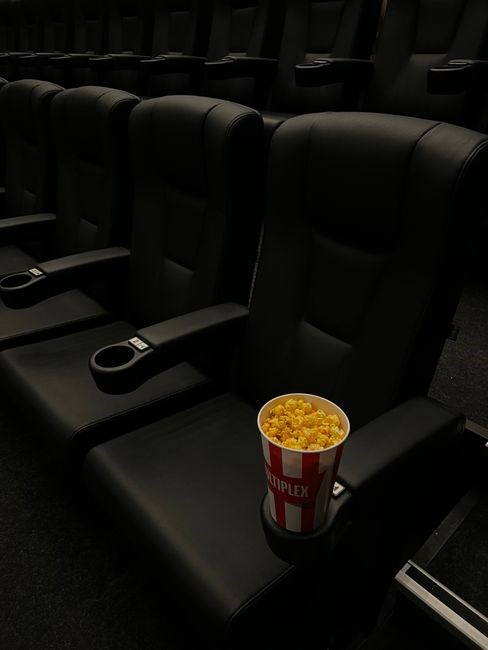
Manual reclining uses a lever‑driven hinge that adjusts the backrest angle smoothly. A crank lock secures the position‚ ensuring stability. Lightweight aluminum or steel frames keep the chair portable while providing structural integrity. Simple‚ durable design reduces maintenance for all users.
Backrest Adjustment Mechanism

Manual reclining chairs use a lever‑driven hinge that lets users tilt the backrest to a comfortable angle without power. The hinge pivots near the base‚ connecting the backrest to a sturdy frame. Pulling the hand‑crank rotates the hinge‚ raising the backrest smoothly. A locking pin engages at preset positions—0°‚ 45°‚ and 90°—to hold the angle. The pin is made of hardened steel and can be released by a small lever‚ allowing one‑hand operation. The pivot joint is reinforced with a secondary support arm that distributes load across the frame‚ reducing stress on the hinge. Many models feature a quick‑release that lowers the backrest to a flat position for transport. The assembly is covered with a plastic sleeve to prevent metal‑to‑metal contact. The lever is calibrated to provide consistent torque‚ so effort is minimal even for users with limited upper‑body strength. An ergonomic handle fits the hand comfortably‚ reducing strain. The combination of a simple lever‚ secure pin‚ and reinforced pivot ensures reliability‚ low maintenance‚ and accessibility for a wide range of users. The design keeps overall cost down‚ making manual reclining chairs attractive for consumers and healthcare providers. Materials—often aluminum alloy frames and high‑density polyethylene pivots—offer durability and lightness. The engineering choices create a user‑friendly‚ long‑lasting product suitable for home care‚ clinics‚ and assisted living facilities. Overall‚ the backrest adjustment mechanism exemplifies thoughtful mechanical design that delivers comfort‚ safety‚ and simplicity. Its simple lever action also allows quick adjustments during daily activities‚ enhancing comfort without requiring assistance for all users.!!!!!
Seat and Leg Rest Configuration

Manual reclining chairs feature a seat that is engineered for both comfort and support. The seat cushion is typically made from high‑density foam or memory‑foam layers‚ providing a firm yet forgiving surface that distributes pressure evenly. A removable cover—often upholstered in breathable fabric or leather—allows easy cleaning and customization. The seat width and depth are adjustable through a simple lever or twist mechanism‚ enabling users to find the optimal fit for their body size. The backrest and seat are connected by a pivot that allows the seat to tilt forward or backward‚ while the leg rest remains fixed or moves in tandem‚ depending on the model. In many designs‚ the leg rest is a separate‚ detachable component that can be positioned at various angles using a lockable hinge. This flexibility lets users adjust leg support to reduce pressure on the hips and thighs‚ especially during extended periods of sitting. Some models incorporate a footrest that can be extended or retracted with a lever‚ providing additional support for the lower legs. The leg rest and footrest are usually padded with the same foam material as the seat‚ ensuring consistency in comfort. The overall configuration is designed to promote proper posture‚ reduce fatigue‚ and prevent pressure sores. The modular nature of the seat and leg rest system also simplifies maintenance; components can be replaced individually without affecting the rest of the chair. This approach keeps the chair lightweight‚ easy to transport‚ and adaptable to various settings such as home‚ office‚ or clinical environments. The combination of ergonomic design‚ adjustable components‚ and durable materials makes manual reclining chairs a practical choice for users seeking reliable‚ low‑maintenance seating solutions. The seat’s ergonomic contour is shaped to accommodate the natural curvature of the lumbar spine‚ while the leg rest’s angle can be fine‑tuned to alleviate venous stasis. Users can lock the seat at any angle between 0° and 90°‚ ensuring a stable platform for reading‚ working‚ or resting. The modular leg rest can also be removed for cleaning or replaced with a padded cushion for extra softness. The chair’s overall weight stays below 30 kg‚ making it easy to move between rooms or transport in a vehicle. The combination of a lightweight frame‚ adjustable seat‚ and versatile leg rest configuration makes manual reclining chairs an excellent solution for individuals who require adaptable seating without the complexity of power‑assist systems. The design also supports compliance with accessibility standards‚ providing a safe and comfortable environment for people with mobility challenges.

Types and Applications
Manual reclining chairs span from lightweight home models to robust mobility aids. Home versions offer plush cushioning for relaxation‚ while clinical variants prioritize durability and easy cleaning. Each type adapts to user needs‚ ensuring comfort and support.!!
Manual Reclining Wheelchairs
Manual reclining wheelchairs combine the mobility of a standard chair with the comfort of a recliner; The backrest is typically adjustable via a lever or crank‚ allowing users to shift from a fully upright position to a semi‑lying angle without external power. This feature is especially beneficial for individuals who need frequent changes in posture to alleviate pressure sores or to rest during long outings. Manufacturers often incorporate padded headrests and leg rests‚ which can be folded or extended to accommodate different body sizes and medical conditions. The reclining mechanism is usually a simple cam or hinge system that locks securely at multiple angles‚ ensuring safety during use. Because the system relies on manual operation‚ maintenance is minimal: users only need to lubricate the pivot points and check for wear on the locking pins. In addition‚ many models are lightweight and foldable‚ making them suitable for travel or home use. The ergonomic design reduces strain on the back and shoulders‚ promoting better circulation and comfort. Overall‚ manual reclining wheelchairs provide an accessible‚ cost‑effective solution for those who require both mobility and the ability to recline for comfort or medical reasons. Users can adjust the recline angle in increments of 15 degrees‚ ensuring precise positioning for therapeutic or ergonomic needs. daily use. The lightweight aluminum frame and foam cushion enhance portability and comfort‚ suitable for indoor and outdoor use.
Reclining Chairs for Home and Office
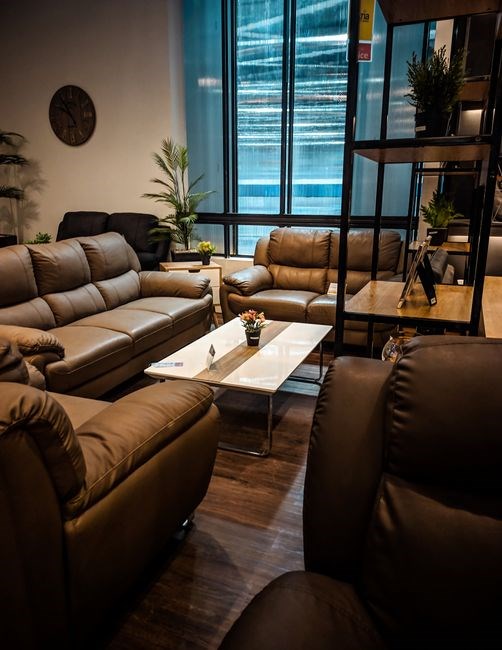
Reclining chairs designed for home and office environments blend ergonomic support with aesthetic versatility. The adjustable backrest‚ typically operated by a simple lever or hand‑crank‚ allows users to shift from a fully upright posture to a relaxed recline‚ promoting circulation and reducing muscle fatigue during long periods of sitting. Many models feature a padded headrest and a footrest that can be folded or extended‚ providing additional comfort for users with limited mobility or those who require frequent posture changes for therapeutic reasons. The upholstery options range from breathable mesh and soft faux leather to premium fabrics‚ enabling users to match the chair’s appearance with their interior décor. Construction materials such as lightweight aluminum or reinforced steel frames ensure durability while keeping the chair portable for office use or home relocation. The reclining mechanism is engineered to lock securely at multiple angles‚ preventing accidental slippage and ensuring safety during use. Additionally‚ the seat cushions are often made from high‑density foam or memory‑gel layers‚ which adapt to body contours and provide pressure relief. For office settings‚ many reclining chairs feature adjustable armrests. In a home setting‚ the same features can help alleviate back pain‚ improve sleep quality‚ and provide a comfortable spot for reading or leisure. The user‑friendly design means that even those with limited strength can operate the recline function without assistance. Overall‚ reclining chairs for home and office offer a blend of comfort‚ functionality‚ and style‚ making them an attractive choice for individuals seeking a versatile seating solution that supports both work and relaxation.

Materials and Construction
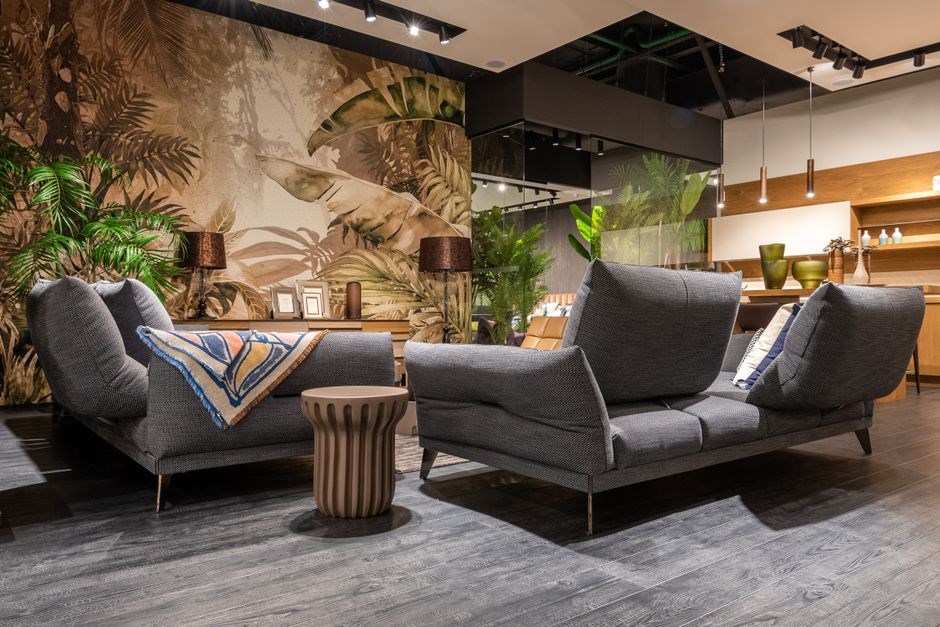
Manual reclining chairs combine lightweight aluminum or steel frames with reinforced joints for stability. Cushioning uses high‑density foam or memory‑gel layers‚ while upholstery ranges from breathable mesh to premium faux leather‚ ensuring comfort and durability across home and office settings!!!!!!
Frame and Structural Materials
Manual reclining chairs rely on a robust yet lightweight frame to balance comfort with portability. Most manufacturers opt for high strength aluminum alloys‚ which offer excellent corrosion resistance‚ low weight‚ and the ability to be molded into ergonomic shapes. In higher‑end models‚ a hybrid construction blends aluminum with steel reinforcements at critical junctions—such as the backrest pivot‚ seat rail‚ and leg‑rest attachment points—to enhance stiffness and prevent flex under load. Some lines incorporate carbon‑fiber composites or alloys for lightweight performance‚ though these materials increase cost. The choice of frame material influences the chair’s overall durability‚ ease of assembly‚ and maintenance requirements. Aluminum frames can be anodized or powder‑coated to resist scratches and environmental exposure‚ while steel components are often treated to mitigate rust. Designers also employ gusseted joints and bracing to distribute weight evenly‚ ensuring that the reclining mechanism operates smoothly over repeated use. By selecting the appropriate material‚ manufacturers can tailor the chair’s performance to specific use cases—home‚ office‚ mobility—while keeping manufacturing costs within range. The result is a dependable‚ long‑lasting frame that supports a wide range of body weights and reclining angles‚ making manual reclining chairs a versatile choice for settings. for all users. Now Ideal for daily use‚ comfort assured. Suitable for all body types.
Cushioning and Upholstery Options
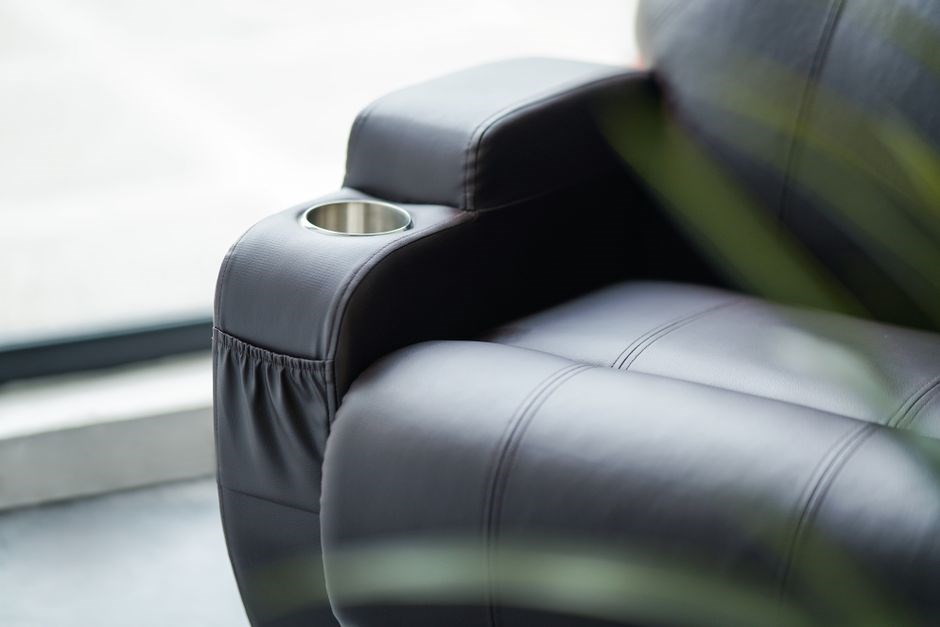
Manual reclining chairs are available with a range of cushioning systems that balance support and comfort. The most common base material is high‑density polyurethane foam‚ which provides a firm foundation while preventing bottoming out. For users who prefer a softer feel‚ manufacturers often layer memory‑foam or gel‑infused foam over the base‚ creating a responsive surface that adapts to body contours. Some premium models use latex or a hybrid latex‑foam blend‚ offering natural resilience and breathability for extended sitting. The cushioning is typically wrapped in a removable‚ machine‑washable cover‚ making cleaning simple and extending the life of the chair.
Upholstery choices span leather‚ faux leather‚ vinyl‚ and a variety of woven fabrics such as cotton‚ linen‚ and polyester blends. Genuine leather delivers a classic look and is easy to wipe clean‚ though it can be sensitive to extreme temperatures. Faux leather provides a similar aesthetic at a lower cost and with increased resistance to moisture and stains. Woven fabrics add texture and can be selected in neutral tones or bold patterns to match interior décor. Many manufacturers treat upholstery fabrics with antimicrobial or stain‑resistant finishes‚ ensuring hygiene and longevity in high‑traffic settings. Color palettes range from subtle neutrals—beige‚ gray‚ black—to vibrant hues or custom prints‚ allowing users to personalize the chair’s appearance.
The choice of cushioning and upholstery not only affects comfort but also influences the chair’s environmental footprint. Several brands now offer recycled or sustainably sourced materials‚ reducing waste and supporting eco‑friendly production. By selecting the right combination of foam‚ cover‚ and fabric‚ users can tailor a manual reclining chair to meet specific ergonomic needs while enjoying a personalized aesthetic. Whether the goal is daily use‚ occasional relaxation‚ or therapeutic support‚ the available options provide flexibility‚ durability‚ and style for any setting.
In addition‚ many manufacturers provide interchangeable cushion covers‚ allowing quick style changes or seasonal updates without replacing the entire chair. This feature adds versatility and extends the chair’s lifespan‚ making it a practical choice for both home and office environments.
Maintenance and Selection
Choose upholstery‚ clean weekly with mild soap‚ inspect hinges monthly‚ replace worn foam‚ and store in a dry area. Select models with controls adjustable seat height and design for comfort now!!!
Lubricate hinges monthly to keep chair smooth and quiet.
Cleaning and Care Practices
Manual reclining chairs and wheelchairs require routine cleaning to preserve comfort and hygiene. Start by removing loose debris with a brush or vacuum. Wipe the seat‚ backrest‚ and armrests with a damp microfiber cloth and mild detergent‚ avoiding harsh chemicals that can damage upholstery; For fabric seats‚ spot‑clean stains with a gentle upholstery cleaner‚ then allow to air‑dry. Leather or faux‑leather surfaces should be cleaned with a leather conditioner or a mild soap solution‚ followed by a dry microfiber cloth to prevent moisture buildup. Pay special attention to the reclining mechanism: lubricate the pivot points with a silicone‑based lubricant every 3–6 months to ensure smooth operation. Inspect all bolts and screws for tightness‚ tightening as needed. Replace worn foam or padding once it becomes compressed or loses shape. Store the chair in a dry‚ well‑ventilated area when not in use‚ cover it with a breathable fabric cover to protect against dust. Regular maintenance not only extends the life of the chair but also ensures a safe‚ comfortable seating experience for users of all ages. Maintain the reclining lever by flexing it each week to prevent stiffness. Brush to clean between armrest seams‚ apply a fabric protector spray to repel spills. For wheelchairs‚ clean the casters and wheels with a damp cloth‚ checking for debris that could impede movement. Replace worn out parts; Keep a maintenance log to track cleaning dates and repairs. Always cracks.
Factors for Choosing the Right Model
When selecting a manual reclining chair or wheelchair‚ several key considerations ensure optimal fit and performance. First‚ assess the user’s weight and height to match the chair’s maximum load capacity and seat dimensions. A seat width of 18–20 inches and a depth of 20–22 inches accommodates most adults while providing stability. Second‚ examine the reclining mechanism: a smooth lever or crank that allows incremental adjustment without excessive force is ideal for users with limited strength. The reclining angle should range from 90° to 140°‚ offering both upright and restorative positions. Third‚ evaluate the seat cushion material—memory foam delivers pressure relief‚ while high‑density foam offers durability. For users prone to pressure sores‚ a gel or air‑filled cushion may be preferable. Fourth‚ consider the frame construction: aluminum frames combine lightness and strength‚ whereas steel frames provide extra durability for heavier users. Fifth‚ inspect the leg rest and headrest options; adjustable‚ padded components enhance comfort during prolonged use. Sixth‚ review the ease of maintenance: removable cushions‚ washable upholstery‚ and accessible moving parts simplify cleaning and prolong lifespan. Seventh‚ verify safety features such as secure locking mechanisms‚ anti‑tip wheels‚ and a stable base. Finally‚ compare warranty terms and after‑sales support from reputable manufacturers. Balancing these factors with budget constraints leads to a well‑suited manual reclining solution that meets both functional and comfort needs.
Portability is also (30 lb) facilitates transport and storage. For office use‚ a swivel base with casters rated for carpet and hardwood improves maneuverability. In home environments‚ a footrest that locks securely prevents unintended liding. Ergonomic certifications like ANSI or ISO confirm safety standards. If medical conditions exist‚ consult a professional to customize features—such as a higher backrest for spinal support or a lower seat for easier transfers. User reviews and testing often reveal practical issues beyond specifications. !