
Category: Manuals Page 2 of 5

mighty mule gate opener troubleshooting manual

Welcome to the Mighty Mule gate opener troubleshooting guide, designed to help you resolve common issues efficiently. Covering models 50, 500, UL325, and FM402, this guide provides step-by-step solutions and preventive maintenance tips to ensure smooth operation. Addressing power supply problems, remote control functionality, and limit switch errors, it helps you identify and fix issues quickly, saving time and effort. Learn how to diagnose and repair your gate opener with confidence.

1.1 Overview of Common Issues

Common issues with Mighty Mule gate openers include power supply problems, remote control malfunctions, gate obstructions, and limit switch errors. These problems can often be resolved with basic troubleshooting steps. Understanding these issues helps in applying the right solutions, ensuring smooth gate operation.

1.2 Importance of Regular Maintenance

Regular maintenance is crucial for ensuring the longevity and efficiency of your Mighty Mule gate opener. Cleaning, inspecting wires, and lubricating moving parts prevent issues like voltage drops and mechanical failures. A well-maintained system reduces malfunctions and enhances security, saving time and costs in the long run.

Power Supply Issues

Identify power-related problems, such as low voltage or circuit breaker trips. Ensure the power source is stable and connections are secure. Verify proper voltage supply to prevent malfunctions.

2.1 Checking the Power Source

Ensure the Mighty Mule gate opener is receiving adequate power. Check the outlet for functionality and verify circuit breaker status. Confirm all wiring connections are secure and free from damage. Measure voltage levels to ensure they match the recommended specifications for proper operation. A stable power supply is crucial for reliable performance.

2.2 Low Voltage Problems and Solutions

Identify low voltage issues by checking the power wires connected to the arm, which may show readings below 12V DC. Ensure the transformer is functioning correctly and connections are secure. Install a voltage stabilizer or upgrade the power supply if necessary to maintain consistent voltage levels and prevent operational disruptions.

2.3 Circuit Breaker and Fuse Checks

Check the circuit breaker or fuse box to ensure the breaker hasn’t tripped or a fuse hasn’t blown. Reset the breaker or replace the fuse if necessary. Verify all electrical connections are secure and consult the gate opener’s manual for specific wiring instructions to restore proper power supply.

Remote Control and Battery Issues

Remote control problems often stem from weak signal strength or dead batteries. Replace batteries and ensure the antenna wire is intact. Check for obstructions affecting signal reception.

3.1 Testing Remote Control Signal Strength

To test the remote control signal strength, check the control box indicators. If lights blink weakly, signals are poor. Ensure the antenna is undamaged and fully extended. Move closer to the gate and test again. Obstructions like walls or metal can reduce signal strength significantly. Ensure no physical barriers are blocking the signal path;

3.2 Replacing Remote Control Batteries

Replace remote control batteries by turning off the gate opener’s power. Open the remote’s battery compartment and remove old batteries. Insert new, high-quality batteries of the recommended type (usually 12V). Ensure proper alignment and close the compartment. Test the remote to confirm functionality. Weak or dead batteries often cause signal issues.

3.3 Antenna Wire Damage and Repair

Inspect the antenna wire for damage or obstructions, as this can disrupt signal transmission. If damaged, replace the wire with a compatible gauge. Ensure the antenna is properly aligned and not bent. A compromised antenna can cause remote control issues, so regular checks are essential for maintaining reliable operation.

Limit Switch Errors

Limit switches regulate gate movement, ensuring proper opening and closing. Issues arise from misalignment or electrical faults, causing the gate to stop mid-operation. Regular inspection is crucial.

4.1 Understanding Limit Switch Functionality

The limit switch ensures the gate stops accurately at fully open or closed positions. It prevents over-travel and damage by signaling the motor to stop. Proper alignment and connection are essential for smooth operation. Issues here can halt gate movement entirely or cause inconsistent behavior.

4.2 Diagnosing Limit Switch Problems

Diagnose limit switch issues by checking for physical obstructions or misalignment. Ensure the switch is properly connected and not damaged. Test the circuit to confirm if the inputs are open or shorted. A faulty limit switch can cause the gate to stop mid-operation or fail to respond to commands entirely.

4.3 Adjusting or Replacing Limit Switches

Adjust the limit switches to ensure proper alignment with the gate’s movement. If damaged, replace them with compatible parts. After replacement, test the gate’s operation to confirm smooth functionality. Properly aligned switches are crucial for the opener’s performance and safety, preventing errors and ensuring reliable gate operation.

Wiring and Connectivity Problems

Inspect wiring for damage or loose connections. Check voltage levels to ensure proper power supply. Repair or replace damaged wires and verify all connections are secure for reliable operation.

5.1 Inspecting Wiring Connections

Begin by visually examining all wires for signs of damage, fraying, or corrosion. Ensure all connections are tight and secure. Check for loose screws or terminals that may disrupt power flow. Verify that wires are properly routed and not pinched, which could cause intermittent issues. Use a multimeter to test for continuity and voltage, ensuring the power supply is stable and reaching all components. If any damage is found, repair or replace the affected wires immediately to prevent further complications. Regular inspections can help prevent unexpected malfunctions and ensure the system operates smoothly. This step is crucial for maintaining reliable functionality and safety.

5.2 Identifying and Repairing Damaged Wires

Identify damaged wires by inspecting for frays, cuts, or corrosion. Use a multimeter to test for breaks or short circuits. For repairs, strip damaged ends, solder or crimp new connections, and seal with heat-shrink tubing. Ensure all fixes are secure and protected from environmental factors to maintain reliable operation.

5.3 Ensuring Proper Grounding

Proper grounding is essential for safe and reliable operation of your Mighty Mule gate opener. Check the ground wire connection to ensure it is securely attached to the control box and the earth. Test the ground using a multimeter to confirm continuity. A faulty ground can cause intermittent operation or complete system failure. Regularly inspect for corrosion or damage and repair as needed to maintain optimal performance and safety.

Gate Obstruction and Alignment Issues

Check for obstructions blocking the gate’s path. Ensure proper alignment of the gate and opener. Adjust hinges or rollers if misaligned. Lubricate moving parts regularly for smooth operation.

6.1 Checking for Physical Obstructions

Ensure the gate path is clear of debris, vegetation, or obstacles. Inspect rollers, hinges, and tracks for blockages. Verify nothing is hindering the gate’s movement. Clean or remove obstructions to allow smooth operation. Regular checks prevent issues and extend equipment lifespan.

6.2 Adjusting Gate Alignment

Ensure the gate is properly aligned with the opener’s travel path. Check for any misalignment causing the gate to bind or obstruct movement. Adjust the gate’s position or the opener’s limit switches as needed. Use the control box to fine-tune settings and test operation after adjustments for smooth performance.

6.3 Lubricating Moving Parts

Regularly lubricate hinges, chains, and other moving components to ensure smooth operation. Use a silicone-based spray lubricant suitable for outdoor conditions. Apply evenly, wipe off excess, and test the gate’s movement. Proper lubrication prevents wear and tear, maintaining optimal performance and extending the opener’s lifespan.

Control Box and Alarm Issues

Addressing control box and alarm problems is crucial for reliable gate operation. Check indicators for error codes, reset the system, and ensure proper alarm functionality to maintain security and performance.

7.1 Understanding Control Box Indicators

The control box indicators provide vital information about your gate opener’s status. Blinking lights signal issues like power problems or sensor malfunctions. Familiarize yourself with the indicator patterns to quickly diagnose and resolve issues, ensuring your gate operates smoothly and safely. Regular checks can prevent unexpected breakdowns and enhance overall functionality.

7.2 Resetting the Control Box

Resetting the control box can resolve many issues. Turn off the power, wait a few minutes, then turn it back on. This power cycle often restores functionality. After resetting, reprogram your remote controls and ensure all indicators are functioning properly. This simple step can address various operational malfunctions effectively.

7.3 Troubleshooting Alarm Malfunctions

Alarm malfunctions can indicate issues like obstructions or limit switch problems. Check the control box indicators for error codes or blinking patterns. Ensure wiring connections are secure and not damaged. If the alarm persists, reset the control box or consult the manual for specific error code solutions. This helps restore normal operation quickly.

Resetting and Reprogramming the Gate Opener

Resetting your Mighty Mule gate opener involves a power cycle or control box reset. Reprogramming remote controls ensures proper communication. Resetting limit switches restores default settings, resolving operational issues effectively and quickly.

8.1 Power Cycle Reset Procedure

To perform a power cycle reset, turn off the gate opener’s power supply. Wait 30 seconds to discharge any stored energy; Turn the power back on and test functionality. This simple process often resolves software glitches and restores normal operation without additional repairs or part replacements needed.

8.2 Reprogramming Remote Controls

To reprogram your Mighty Mule remote control, press the “learn” button on the control box until the LED blinks. Within 30 seconds, activate the remote. If issues persist, ensure the antenna wire is intact and batteries are fresh. Repeat the process with a different remote if needed.

8.3 Resetting Limit Switches

Resetting limit switches involves adjusting their positions to ensure proper gate alignment. Turn off the power, release any tension, and manually move the gate to the fully open or closed position. Activate the power and test the gate to ensure smooth operation. Adjust switches if needed for accurate functionality.

Preventive Maintenance Tips

Regularly clean and inspect your gate opener, ensuring wiring is secure and free from damage. Lubricate moving parts and check battery health to prevent unexpected issues.

9.1 Regular Cleaning and Inspection

Regularly clean your Mighty Mule gate opener by removing dust and debris with a soft cloth. Inspect for wear and tear on moving parts, wires, and connections. Ensure proper alignment and tighten any loose components. Regular maintenance helps prevent major issues and ensures reliable operation. Schedule inspections every 3-6 months for optimal performance.

9.2 Scheduled Lubrication

Apply silicone-based lubricant to moving parts like hinges, gears, and chains every 6 months. This prevents friction and wear. Wipe off excess lubricant to avoid dirt buildup. Regular lubrication ensures smooth operation and extends the lifespan of your Mighty Mule gate opener, maintaining its efficiency and reliability over time;

9.3 Updating Firmware and Software

Regularly update your Mighty Mule gate opener’s firmware and software to ensure optimal performance. Check the manufacturer’s website for the latest updates. Use the BILT App or TechSee for guided assistance. Updated software enhances functionality, fixes bugs, and improves security, keeping your gate opener running smoothly and efficiently. Schedule updates as part of your maintenance routine.

Additional Resources and Support

For further assistance, visit the Mighty Mule website for troubleshooting guides, video tutorials, FAQs. Additionally, explore community forums and contact customer support for personalized help.

10.1 Accessing the Mighty Mule Troubleshooting Wizard

The Mighty Mule Troubleshooting Wizard is an online tool designed to guide users through diagnosing and resolving common issues. Visit the official Mighty Mule website, navigate to the support section, and select the troubleshooter for step-by-step solutions tailored to your specific gate opener model.

10.2 Contacting Customer Support

For personalized assistance, contact Mighty Mule customer support via phone, email, or live chat through their official website. The support team provides expert guidance, troubleshooting, and solutions for specific issues. Visit the “Contact Us” page for detailed information and to reach a representative for your gate opener concerns;

10.3 Using the BILT App and TechSee for Assistance

Enhance your troubleshooting experience with the BILT App and TechSee. BILT offers interactive 3D manuals for step-by-step guidance, while TechSee provides remote visual support. Both tools allow you to resolve issues efficiently, ensuring your Mighty Mule gate opener operates smoothly without the need for in-person technician visits.

Frequently Asked Questions (FAQs)

Addressing common queries, this section provides quick solutions for Mighty Mule gate opener issues, ensuring smooth operation and troubleshooting efficiency for users.

11.1 Common Questions About Troubleshooting

Users often ask about resolving power issues, remote control functionality, and limit switch problems; Regularly checking the power supply, ensuring proper wiring, and testing remote signals are key solutions. Addressing these common concerns helps maintain your gate opener’s efficiency and longevity, ensuring reliable performance over time.

11.2 Tips for Preventing Future Issues

Regular inspections and maintenance are crucial for preventing future issues. Clean and lubricate moving parts, update firmware, and ensure proper wiring connections. Check power sources and remote batteries regularly. Monitor for obstructions and align the gate properly. Consulting the manual or support for guidance can also prevent issues, ensuring optimal performance and longevity.

11.3 Where to Find Additional Help

For further assistance, visit the Mighty Mule official website or access their troubleshooting wizard. Contact customer support for personalized help or use the BILT App and TechSee for remote guidance. These resources provide detailed manuals, videos, and expert advice to resolve issues effectively and ensure optimal performance.

proform 505 cst manual

The ProForm 505 CST Treadmill is a durable, versatile fitness machine designed for home use, offering a powerful motor, adjustable incline, and pre-set workout programs.

Overview of the ProForm 505 CST Model

The ProForm 505 CST is a high-performance treadmill designed for effective home workouts. It features a robust 2.5 HP motor, delivering smooth operation at speeds up to 10 mph. The treadmill boasts a spacious 20×55-inch running deck, providing ample space for comfortable walking, jogging, or running. With an incline range of 0-10%, users can simulate real-world terrain challenges. The console includes a 5-inch backlit display, 16 built-in workout programs, and heart rate monitoring for personalized fitness tracking. Its durable steel frame ensures stability, while the foldable design saves space when not in use. The ProForm 505 CST is an excellent choice for fitness enthusiasts seeking versatility and convenience in a home treadmill.

Importance of the User Manual for Proper Usage

The ProForm 505 CST manual is essential for safe and effective use of the treadmill. It provides step-by-step assembly instructions, ensuring proper setup and stability. Safety guidelines help prevent accidents, while operational tips optimize workout experiences. Maintenance advice, such as lubricating the belt and cleaning the deck, prolongs the machine’s lifespan. Troubleshooting sections address common issues, minimizing downtime. Warranty details outline coverage and support options, giving users peace of mind. By following the manual, users can maximize their treadmill’s performance, ensure longevity, and enjoy a safe, efficient, and rewarding fitness journey.

Key Features and Specifications

The ProForm 505 CST treadmill features a robust motor, adjustable incline/decline, and an interactive console with programmable workouts, designed for versatile and effective home fitness training.

Motor Power and Speed Capabilities

The ProForm 505 CST treadmill is equipped with a powerful 2.5 continuous horsepower motor, ensuring smooth operation during intense workouts. It supports speeds ranging from 0 to 10 MPH, catering to both casual walkers and serious runners. The motor’s durability and quiet performance make it ideal for home use, allowing users to exercise without disturbing others. The variable speed settings enable customization of workouts, from leisurely strolls to high-intensity interval training. This versatility ensures that the treadmill meets the needs of users with diverse fitness goals and preferences.

Incline and Decline Functions

The ProForm 505 CST treadmill features an impressive incline range of up to 10% and a decline function of -2%, allowing users to simulate real-world terrain and add variety to their workouts. This feature enhances cardiovascular training and targets different muscle groups effectively. The incline and decline settings can be easily adjusted using the console controls, enabling seamless transitions during exercise. Whether you’re walking, jogging, or running, the adjustable incline and decline functions provide a challenging and engaging workout experience. This feature is particularly beneficial for users looking to improve endurance, burn calories, and strengthen leg muscles in a controlled environment.
Console Display and Programmable Features

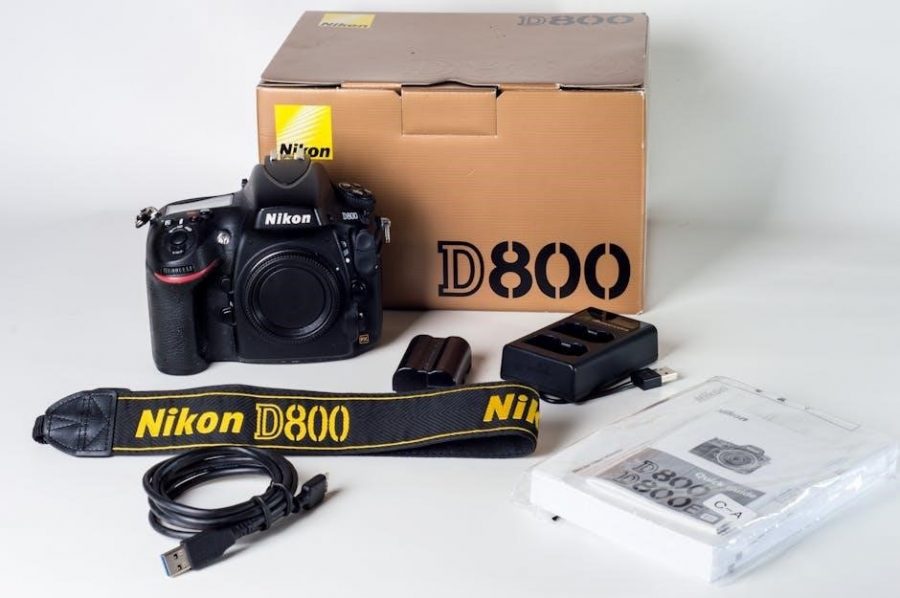
The ProForm 505 CST treadmill boasts a high-resolution, 6-inch backlit display, providing clear visibility of workout metrics such as speed, incline, heart rate, calories burned, and distance. The console is user-friendly, with intuitive buttons and quick controls for adjusting settings on the fly. It also features programmable workout options, including pre-set training programs designed to meet various fitness goals like weight loss, endurance, and interval training. Users can customize their workouts by creating and saving personal profiles, ensuring a tailored fitness experience. Additionally, the console is compatible with heart rate monitoring, allowing for precise tracking of physical exertion during exercise sessions.

Safety Guidelines and Precautions

Always read the manual before use. Wear proper attire and ensure the area is clear. Follow weight limits and avoid overexertion. Regular maintenance ensures safety.

  • Inspect the treadmill before each use.
  • Keep children and pets away during operation.
  • Use the emergency stop feature if needed.

Consult the manual for comprehensive safety details.

Assembly and Installation Instructions

Assembling the ProForm 505 CST Treadmill requires careful attention to the manual’s step-by-step guide. Begin by unpacking and organizing all components. Use the provided tools to secure the frame, attach the console, and connect the incline motor. Ensure the treadmill is placed on a level surface for proper operation. Follow the wiring diagram to connect electrical components safely. Tighten all bolts firmly to avoid instability. After assembly, perform a test walk to ensure smooth functionality. Refer to the manual for troubleshooting common issues during setup. Proper installation ensures optimal performance and longevity of the treadmill. Always follow safety guidelines during assembly to prevent accidents.

  • Double-check all connections before powering on.
  • Ensure the treadmill is installed on a firm, flat surface.
  • Consult the manual for specific torque settings for bolts.

Usage Tips for Beginners

Starting with the ProForm 505 CST Treadmill? Begin by familiarizing yourself with the console controls and pre-set programs. Start with a slow walking speed to get comfortable. Use the handrails for balance, especially when adjusting incline or speed.Gradually increase intensity to avoid strain. Stay hydrated and wear proper footwear. For safety, avoid distractions like using a phone while walking. If you’re new to incline training, begin with small increments. Cool down after workouts by walking slowly for 5 minutes. Consistency is key—aim for 20-30 minutes per session. Explore the programmable features to keep workouts varied and engaging. Remember, patience and gradual progress lead to the best results. Enjoy your fitness journey!

  1. Start slow and adjust as you build confidence.
  2. Use the handrails for stability, especially during incline changes.
  3. Track your progress using the console’s monitoring features.

Maintenance and Troubleshooting

Regularly clean the treadmill belt and deck to ensure smooth operation; Lubricate the belt every 3 months or as needed. Check for loose bolts and tighten them. If issues arise, consult the manual or contact ProForm support for assistance.

  • Clean the belt and deck after each use.
  • Lubricate the belt to prevent wear.
  • Inspect for loose parts and tighten as needed.

Regular Maintenance Requirements

Regular maintenance is essential to ensure the longevity and optimal performance of the ProForm 505 CST Treadmill. Begin by cleaning the treadmill belt and deck after each use to prevent dust and sweat buildup. Every 3 months, or as needed, apply a high-quality silicone-based lubricant to the belt to reduce friction and wear. Inspect the belt for signs of wear, such as cracks or fraying, and replace it if necessary. Additionally, check all bolts and screws for tightness and tighten them as needed. Finally, unplug the treadmill before performing any maintenance to ensure safety. Refer to the manual for specific instructions and recommendations. Proper upkeep will keep your treadmill running smoothly and safely for years to come.

Common Issues and Solutions

The ProForm 505 CST Treadmill may occasionally encounter issues such as a malfunctioning console, uneven belt movement, or unexpected stopping. For console errors, restart the treadmill and ensure all connections are secure. If the belt misaligns, adjust it using the provided Allen wrench. Lubricate the belt every 3 months to prevent friction. If the treadmill stops abruptly, check for blockages and ensure the safety key is properly inserted. Noise issues can often be resolved by tightening loose parts or replacing worn components. For persistent problems, refer to the troubleshooting guide in the manual or contact ProForm customer support for assistance. Regular maintenance can help prevent many of these issues. Always follow the manufacturer’s guidelines for repairs.

Warranty and Customer Support

The ProForm 505 CST Treadmill comes with a robust warranty, including coverage for the frame, motor, and parts. For assistance, contact ProForm’s customer support via phone, email, or live chat.

Understanding the Warranty Coverage

Understanding the warranty coverage for the ProForm 505 CST Treadmill is essential for ensuring long-term satisfaction. The treadmill typically comes with a multi-tiered warranty, which includes coverage for the frame, motor, and parts. The frame is usually covered for the lifetime of the product, reflecting its durability and the manufacturer’s confidence in its construction. The motor is often covered for a substantial period, such as 25 years, ensuring that the core functionality remains supported. Parts and labor are generally covered for a shorter duration, often 1 to 5 years, depending on the component. It’s important to review the specific terms and conditions, as some warranties may have limitations or require registration. Additionally, understanding what is covered and for how long can help users maintain their treadmill effectively and address any issues promptly. Always refer to the official ProForm documentation for precise details.

How to Contact ProForm Customer Service

To contact ProForm customer service, visit their official website and navigate to the support section. You can reach them via phone, email, or live chat for assistance with your ProForm 505 CST Treadmill. Phone support is typically available during business hours, while email and live chat offer flexibility for convenience. Additionally, the ProForm website provides a comprehensive FAQ section and downloadable resources, including manuals and troubleshooting guides. For specific inquiries, ensure you have your product serial number ready. ProForm customer service is dedicated to addressing concerns and providing solutions to ensure a smooth ownership experience. Their team is available to help with warranty claims, maintenance, and technical support. Visit www.proform.com for more details.

sunlu filament dryer manual

Welcome to the SUNLU Filament Dryer Manual, your comprehensive guide to setting up, operating, and maintaining your filament dryer for optimal 3D printing results.

Overview of the SUNLU Filament Dryer

The SUNLU Filament Dryer is a compact, user-friendly device designed to maintain filament quality by removing moisture. It features adjustable temperature settings (35–100°C) for precise drying control. With a 360-degree drying system, it ensures even moisture removal. The dryer is compatible with various filament types, including PLA, ABS, and PETG. Equipped with a touch screen interface, it offers easy operation. Safety features like automatic shut-off and thermal protection enhance user confidence. Ideal for 3D printing enthusiasts, it ensures consistent material performance and reduces printing failures caused by damp filament.

Importance of Proper Filament Drying

Maintaining dry filament is crucial for achieving high-quality 3D prints. Moisture absorption can lead to issues like brittleness, stringing, and layer separation. Proper drying ensures consistent material properties, preventing failed prints and post-processing challenges. Using a reliable dryer like the SUNLU Filament Dryer helps preserve filament integrity, especially for hygroscopic materials. This step is essential for professional and hobbyist printers aiming for precise and durable prints. Regular drying extends filament lifespan and enhances overall printing efficiency and reliability.

Installation and Setup

Unbox and inspect the dryer, connect it to a power source, and install the Teflon tube as shown in the manual for proper setup.

Unboxing and Initial Inspection

Start by carefully unboxing the SUNLU Filament Dryer and inspecting all components for damage. Ensure the dryer unit, Teflon tube, power adapter, and manual are included. Check for any visible defects or damage during shipping. Inspect the Teflon tube for proper fitting and cleanliness. Verify that all parts are accounted for before proceeding with installation. This step ensures everything is in order and ready for proper setup and operation.

Connecting the Filament Dryer to Power

Connect the SUNLU Filament Dryer to a compatible power source (100-240V AC) using the provided adapter. Ensure the outlet is nearby and easily accessible. Plug in the dryer and verify the power indicator lights up. Avoid touching electrical components with wet hands. Keep the dryer away from water sources to prevent damage or hazards. Double-check all connections before turning it on. Proper power connection ensures safe and efficient operation of the dryer.

Installing the Teflon Tube

Take the Teflon tube and align it with the filament outlet on the dryer. Gently insert the tube into the outlet until it clicks securely into place. Ensure the tube is properly seated to prevent any blockages or leaks. Once installed, check the alignment to confirm it guides the filament smoothly through the dryer. Proper installation of the Teflon tube is essential for efficient and even drying of your filament.

Operating the Filament Dryer

Start by placing the filament in the dryer, ensuring it is properly seated. Use the control panel to set the desired temperature and drying time. Monitor the process to ensure optimal drying conditions and adjust settings as needed for different materials like PLA or ABS.

Placing the Filament in the Dryer

Open the upper cover and carefully insert the filament into the dryer box. Ensure the filament is properly seated and avoid overloading the unit. Thread the filament through the Teflon tube, pulling the thread out of the outlet. Close the lid tightly to maintain consistent drying conditions. For even drying, rotate the filament during the process. Always ensure the consumables are tightly wound before and during use to prevent tangles and ensure proper airflow.

Setting the Temperature and Drying Time

Navigate to the control panel and select the desired temperature (35–100°C) based on the filament type. Set the drying time using the digital interface, typically 4–6 hours for optimal results. For PLA, use the default settings (50°C, 6 hours). Adjust the temperature and time according to the material specifications. Ensure the lid is closed tightly to maintain consistent heat. Double-check the settings before starting the cycle to ensure proper drying. Regularly monitor the process to achieve the best results for your 3D printing needs.

Understanding the Control Panel

The control panel features an intuitive interface with buttons for temperature adjustment (35–100°C) and drying time (up to 24 hours). Use the ON/OFF switch to power the device. LED indicators show active settings. Navigate using the arrows to select options. Choose preset modes for specific filaments like PLA or ABS. The panel also includes a timer display and material selection buttons. Refer to the manual for detailed instructions on customizing settings for optimal drying results. Ensure all adjustments are made before starting the cycle for consistent performance.

Safety Guidelines

Ensure safe operation by keeping children away and avoiding contact with hot surfaces. Turn off the dryer when not in use and follow all precautions to prevent accidents.

General Safety Precautions

Always prioritize safety when using the SUNLU Filament Dryer. Keep children away from the device and avoid touching hot surfaces. Ensure the dryer is placed on a stable, heat-resistant surface. Never leave the dryer unattended during operation. Avoid overloading the dryer with excess filament, as this can lead to uneven drying or damage. Regularly inspect the power cord and plug for signs of wear. If you notice any malfunctions, stop use immediately and contact customer support. Follow all instructions carefully to ensure safe and effective operation.

Handling the Dryer Safely

Always wear protective gloves when handling the SUNLU Filament Dryer to avoid burns from hot surfaces. Ensure the dryer is on a stable, heat-resistant surface; Avoid touching the heating elements or moving parts during operation. Keep children away and never handle the dryer with wet hands or near water. Regularly inspect for damage or wear. If damaged, stop use immediately. Proper handling ensures safe and efficient filament drying, preventing accidents and extending the lifespan of your dryer.

Precautions During the Drying Process

Always ensure the dryer’s lid is tightly closed to maintain consistent temperature and prevent heat loss. Avoid opening the lid during the drying cycle unless necessary. Rotate the filament halfway through the drying time for even results. Keep the area well-ventilated to avoid moisture accumulation. Never leave the dryer unattended while in operation. If unusual odors or sounds occur, stop the process immediately. Refer to the manual for specific temperature settings to prevent overheating or under-drying of the filament.

Maintenance and Care

Regularly clean the dryer’s interior and exterior to prevent dust buildup. Inspect the Teflon tube for damage and replace it if necessary. Ensure all connections are secure to maintain proper function and safety during use.

Cleaning the Filament Dryer

Turn off and unplug the dryer before cleaning. Use a soft, dry cloth to wipe down the exterior and interior. Remove any filament residue or debris from the chamber and Teflon tube. Avoid using harsh chemicals or abrasive materials, as they may damage the components. Regular cleaning prevents dust buildup and ensures optimal performance. After cleaning, allow the dryer to cool completely before reusing it. Proper maintenance will extend the lifespan of your SUNLU filament dryer and maintain its efficiency.

Regular Maintenance Checks

Perform regular maintenance to ensure your SUNLU filament dryer operates efficiently. Check the Teflon tube for damage or blockages and replace it if necessary. Inspect the heating element for dust buildup and clean it gently with a soft brush. Verify that all connections are secure and free from wear. Additionally, monitor the temperature sensor for accuracy and ensure the control panel functions properly. Regular checks will help prevent malfunctions and maintain consistent drying performance for your 3D printing materials.

Troubleshooting Common Issues

This section helps address common problems with your SUNLU filament dryer, such as malfunctioning heating elements or uneven drying. Check power connections, temperature settings, and filament placement for quick resolutions. Refer to specific troubleshooting guides for detailed solutions to ensure optimal performance and extend the lifespan of your dryer.

Filament Not Drying Properly

If the filament is not drying properly, check the temperature settings and ensure they align with the material type. Verify the drying time is sufficient for the filament length and type. Ensure the filament is placed correctly in the dryer, avoiding tangles or loose winds. Also, confirm the Teflon tube is securely installed and free from obstructions. Regularly clean the dryer and inspect for wear. These steps help restore proper drying function and ensure consistent 3D printing results.

Dryer Not Turning On

If the dryer fails to turn on, first ensure it is properly plugged into a functioning power outlet. Check the power cord for damage or loose connections. Verify that the outlet is working by testing it with another device. Ensure the dryer’s ON/OFF switch is correctly engaged. If issues persist, inspect the circuit breaker or fuse box to confirm power supply. Consult the manual or contact SUNLU support for further assistance. Regular maintenance and inspections can prevent such issues and ensure smooth operation.

Uneven Drying Results

Uneven drying can occur if the filament is not properly rotated during the process. Ensure the filament is evenly distributed and rotated periodically for consistent drying. Check that the temperature settings align with the filament type and recommended guidelines. Verify the lid is tightly closed to maintain uniform heat distribution. If issues persist, inspect the dryer’s internal components for blockages or damage. Refer to the manual for troubleshooting steps or contact SUNLU support for assistance. Proper maintenance and adherence to guidelines will help achieve even drying results.

Warranty and Support

The SUNLU Filament Dryer is backed by a one-year limited warranty covering defects under normal use. For support, visit the official SUNLU website or contact their customer service team for assistance with troubleshooting, repairs, or general inquiries.

Understanding the Warranty Period

The SUNLU Filament Dryer is covered by a one-year limited warranty starting from the date of purchase. This warranty applies to defects in materials and workmanship under normal use. During this period, SUNLU will repair or replace defective parts free of charge. For warranty claims, contact SUNLU customer support with proof of purchase. The warranty excludes damage caused by misuse, improper maintenance, or unauthorized modifications.

Reaching SUNLU Customer Support

For any inquiries, troubleshooting, or warranty-related issues, contact SUNLU customer support via email or through their official website. Visit https://www.sunlu.com and navigate to the “Support” section for assistance. Additionally, refer to the provided memory card or QR code in the packaging for direct access to manuals, tutorials, and contact information. Ensure to include your purchase details and a clear description of your issue for prompt assistance. SUNLU is committed to providing reliable support for optimal product performance.

Additional Resources

Access the official SUNLU website for downloadable PDF manuals, video tutorials, and comprehensive guides. The memory card included with your printer also contains helpful instructions and resources.

Downloading the PDF Manual

To access the SUNLU Filament Dryer manual, visit the official SUNLU website or check the memory card provided with your printer. Download the PDF file for detailed instructions, troubleshooting guides, and safety precautions. Ensure you have a PDF reader installed, such as Adobe Reader, to view the document. The manual is also available on platforms like Scribd. Refer to the QR code in the box for direct access to online resources and video tutorials.

Accessing Online Tutorials and Videos

For visual guidance, SUNLU provides online tutorials and videos to help you master the filament dryer. Visit the official SUNLU website or scan the QR code in the manual to access these resources. You can also find instructional videos on platforms like YouTube and Scribd. These materials cover installation, operation, and troubleshooting. Additionally, the memory card included with your printer contains links to helpful content. Explore these resources to enhance your understanding and ensure optimal use of your SUNLU Filament Dryer.

By following this manual, you can effectively use and maintain your SUNLU Filament Dryer. Proper drying and storage ensure consistent 3D printing results. Happy printing!

Final Tips for Effective Filament Drying

For optimal results, ensure the filament is tightly wound and free from tangles. Rotate the filament during drying for even moisture removal. Keep the lid closed to prevent heat loss and maintain consistent temperature. Avoid overloading the dryer, as this can reduce efficiency. Regularly clean and maintain the dryer to prevent dust buildup. Always follow the recommended temperature and time settings for your specific filament type. Proper storage after drying ensures material quality for future prints. Happy printing!

my miniature life manual

My Miniature Life Manual is a heartwarming comedy webtoon by Ellen Shim, exploring themes of friendship and unexpected life changes through Eunseo’s shrinking adventure, blending humor and drama seamlessly.

1.1 Background and Overview

My Miniature Life Manual, created by Ellen Shim, is a comedy webtoon that blends humor with heartfelt moments. It follows Eunseo, a boy who shrinks after eating mysterious jelly beans, and his childhood friend Myeongjin as they navigate this bizarre situation. The story explores themes of friendship, growth, and adapting to unexpected challenges, offering a unique and engaging narrative.

1.2 Themes and Genre

My Miniature Life Manual combines comedy and drama, focusing on themes of friendship, unexpected life changes, and personal growth. The webtoon’s humor is balanced with heartfelt moments, making it relatable and engaging. Its unique blend of genres appeals to readers seeking both light-hearted entertainment and meaningful storytelling, offering a fresh perspective on everyday challenges and relationships.

Main Characters

Eunseo and Myeongjin are childhood friends whose bond is tested when a mysterious old lady’s jelly beans shrink Eunseo, forcing them to navigate unexpected challenges together.

2.1 Eunseo: The Protagonist

Eunseo, the protagonist, is a relatable character whose life takes a dramatic turn after consuming mysterious jelly beans, shrinking him to a tiny size. His journey explores themes of adaptability, friendship, and growth, as he navigates a world now dauntingly large. Initially overwhelmed, Eunseo’s resilience shines through as he relies on Myeongjin for help, revealing deeper layers of his personality and the true strength of their bond.

2.2 Myeongjin: The Childhood Friend

Myeongjin is Eunseo’s childhood friend, whose friendship is rekindled when Eunseo’s mysterious shrinking forces them to rely on each other. Myeongjin’s practical nature and loyalty provide a stabilizing force in Eunseo’s chaotic new reality, showcasing the depth of their bond and the challenges of reconnecting after years apart. Her role is crucial in helping Eunseo navigate this strange and tiny world.

The Mysterious Jelly Beans

The mysterious jelly beans are central to Eunseo’s transformation, holding a magical secret tied to his sudden shrinking. Their origin and purpose captivate and confuse, driving the story forward with intrigue.

3.1 The Origin of the Jelly Beans

The mysterious jelly beans originate from an enigmatic old lady, whose identity and motives remain unclear. These magical beans trigger Eunseo’s transformation, introducing a supernatural element to his ordinary life. Their exact origin and purpose are shrouded in mystery, leaving both Eunseo and readers curious about their significance and the old lady’s role in the story.

3.2 The Transformation Process

Eunseo’s transformation begins after consuming the jelly beans, shrinking him to the size of a bean. The process is instantaneous and bewildering, leaving him disoriented. The physical change challenges his daily routines, forcing him to navigate a gigantic world. This transformation sets the stage for comedic and dramatic situations while exploring deeper themes of adaptability and perspective.

The Shrinking Incident

Eunseo wakes up tiny, sparking confusion and chaos. The mysterious jelly beans’ effect forces him to adapt to a giant world, blending humor and emotional depth unexpectedly.

4.1 The Morning After

The morning after consuming the mysterious jelly beans, Eunseo awakens to find himself shrink to the size of a small bean. Chaos erupts as he struggles to comprehend his new reality. Frantic and disoriented, he realizes the jelly beans are the cause of his transformation. With no one else to turn to, Eunseo reluctantly seeks Myeongjin’s help, reigniting their strained friendship.

4.2 Initial Reactions and Challenges

Eunseo’s initial reaction is a mix of panic and disbelief upon discovering his miniature size. Myeongjin, though skeptical at first, quickly realizes the gravity of the situation. Together, they face numerous challenges, from navigating everyday objects to maintaining communication. The sudden shift in dynamics tests their friendship, blending humor with tension as they struggle to adapt to Eunseo’s new reality and find a solution.

The Impact on Friendship

Eunseo’s shrinking incident reignites his bond with Myeongjin, fostering trust and mutual understanding. Their friendship evolves from childhood nostalgia to a deeper, life-changing connection through shared challenges.

5.1 Rebuilding Trust

Eunseo’s shrinking incident forces him and Myeongjin to confront past misunderstandings. Through shared struggles, they rebuild trust, with Myeongjin proving loyal despite Eunseo’s vulnerability. Their bond strengthens as they navigate challenges together, fostering a deeper understanding and reliance on each other.

5.2 New Dynamics in the Relationship

Eunseo’s shrinking creates a power shift, making Myeongjin his primary caregiver. This dependency fosters a deeper emotional connection, as Myeongjin’s support becomes crucial. Their relationship evolves, revealing vulnerabilities and strengths, leading to mutual understanding and a stronger, more empathetic bond between the two childhood friends.

Life Lessons and Themes

My Miniature Life Manual highlights resilience, adaptability, and the importance of human connections. Eunseo’s journey teaches that even in unexpected circumstances, growth and understanding are possible through friendship and perseverance.

6.1 The Value of Friendship

My Miniature Life Manual underscores the enduring power of friendship through Eunseo and Myeongjin’s bond. Their journey highlights trust, support, and loyalty, even in the face of shrinking mishaps. The story shows how true friends navigate life’s challenges together, emphasizing that friendship is a cornerstone of resilience and growth in unexpected circumstances.

6.2 Adapting to Unexpected Circumstances

My Miniature Life Manual explores Eunseo’s journey of adapting to his shrinking predicament, showcasing resilience and resourcefulness. The story highlights how unexpected challenges can foster personal growth and creativity, emphasizing the importance of flexibility in navigating life’s unpredictability with humor and heart.

The Role of the Mysterious Old Lady

The mysterious old lady serves as the catalyst for Eunseo’s journey, providing the jelly beans that trigger his transformation and setting the story’s events in motion.

7.1 Her Purpose in the Story

The mysterious old lady’s purpose is to initiate Eunseo’s transformation, sparking a chain of events that explore themes of friendship and growth. Her enigmatic presence introduces the magical element of the jelly beans, central to the plot. By giving Eunseo the beans, she sets him on a path of self-discovery and reconnection with Myeongjin, driving the narrative forward.

7.2 Her Influence on Eunseo’s Journey

The mysterious old lady sparks Eunseo’s transformation with the magical jelly beans, setting him on a path of self-discovery and reconnection with Myeongjin. Her enigmatic presence challenges Eunseo to adapt to his new reality, fostering growth and uncovering deeper truths about friendship and resilience. Her influence is pivotal, driving the narrative and shaping Eunseo’s journey toward unexpected maturity and understanding.

The Significance of the Title

My Miniature Life Manual symbolizes Eunseo’s journey through unexpected challenges, reflecting personal growth and adaptation. The title captures the essence of navigating life’s complexities through a unique, transformative lens, blending literal and metaphorical perspectives seamlessly.

8.1 “Miniature Life Manual” as a Metaphor

My Miniature Life Manual serves as a metaphor for navigating life’s complexities through a scaled-down perspective. The “miniature” represents Eunseo’s literal shrinking and his journey of self-discovery, while the “manual” symbolizes the guide to understanding and adapting to unexpected challenges, blending humor and drama to highlight personal growth and resilience in a unique, transformative context.

8.2 The Symbolism of Size and Perspective

The shrinking of Eunseo symbolizes a shift in perspective, forcing him to view life from a smaller, more vulnerable vantage point. This change in size represents the broader theme of reevaluating one’s place in the world, where everyday objects and challenges become monumental. The story uses size as a metaphor for resilience, adaptability, and the ability to find meaning in unexpected circumstances, highlighting personal growth through a literal and figurative lens.

Availability and Updates

My Miniature Life Manual is available on WEBTOON and TopManhua, with new episodes released every Thursday. Readers can follow Eunseo’s journey through 52 engaging episodes and counting.

9.1 Where to Read the Webtoon

My Miniature Life Manual is available on platforms like WEBTOON and TopManhua. It is a Webtoon Original, premiered on Naver, and updates every Thursday. Readers can access the latest episodes online for free, ensuring a seamless and engaging reading experience. The webtoon’s availability across multiple platforms makes it easily accessible to a global audience.

9.2 Release Schedule and Episodes

My Miniature Life Manual updates every Thursday, offering readers a consistent weekly dose of humor and drama. With over 50 episodes available, the series provides an engaging narrative arc. New episodes are released on platforms like WEBTOON and TopManhua, ensuring fans can follow Eunseo and Myeongjin’s adventures without missing a beat. The regular updates keep the story fresh and dynamic for its growing audience. Read now.

Why It Appeals to Readers

My Miniature Life Manual captivates readers with its unique blend of comedy and drama, coupled with relatable character development, making it a charming and engaging read for many.

10.1 Unique Blend of Comedy and Drama

My Miniature Life Manual masterfully combines humor and emotional depth, creating a narrative that balances Eunseo’s absurd shrinking predicament with heartfelt moments of friendship and growth, making it a standout read for fans of both genres.

10.2 Relatable Character Development

The webtoon excels in crafting relatable characters, with Eunseo and Myeongjin’s dynamic evolving naturally through their challenges; Their realistic dialogue and emotional growth resonate deeply, making readers invested in their journey and the rebuilding of their friendship.

My Miniature Life Manual leaves readers with a heartwarming reflection on friendship, growth, and adapting to life’s surprises, making it a charming and memorable webtoon experience.

11.1 Final Thoughts on the Story

My Miniature Life Manual concludes with a touching exploration of how Eunseo and Myeongjin’s bond evolves; The story masterfully blends humor and heartwarming moments, leaving readers with a sense of fulfillment and a deeper appreciation for the power of friendship and resilience in overcoming life’s unexpected challenges and transformations.

11.2 Future Prospects for the Series

My Miniature Life Manual shows promising potential for future growth, with its unique blend of humor and heartfelt moments captivating audiences. As the story continues to unfold, fans can expect deeper character development and new challenges for Eunseo and Myeongjin. The series may also explore spin-offs or adaptations, further expanding its reach and solidifying its place in the webtoon community.

sandisk clip jam user manual

Welcome to the SanDisk Clip Jam User Manual. This guide helps you navigate controls, manage music, and troubleshoot issues. Optimize your MP3 player experience with essential tips and tricks for seamless operation.

Welcome to the SanDisk Clip Jam MP3 Player

Congratulations on purchasing the SanDisk Clip Jam MP3 player! This stylish, compact device is designed for music lovers who want a seamless listening experience. With its user-friendly interface and robust features, the Clip Jam makes it easy to enjoy your favorite tunes on the go. Whether you’re exercising, commuting, or relaxing, this MP3 player delivers high-quality audio and intuitive controls. The device supports various audio formats and features a built-in clip for convenient wearability. This manual will guide you through setting up, operating, and maintaining your Clip Jam to ensure optimal performance and longevity.

Key Features and Benefits of the Clip Jam

The SanDisk Clip Jam offers a range of features that make it an excellent choice for music enthusiasts. Its compact design includes a built-in clip, allowing easy attachment to clothing. The device supports multiple audio formats like MP3, AAC, and WAV, ensuring compatibility with various music libraries. With up to 18 hours of battery life, it provides extended playback on a single charge. The intuitive controls and customizable playlist options enhance user experience. Additionally, the Clip Jam is affordable and durable, making it a practical option for users seeking a reliable MP3 player for everyday use or fitness activities.

Safety Tips and Cleaning Instructions

Ensure safe usage by following guidelines and cleaning the device regularly with a soft cloth. Avoid water exposure and keep the Clip Jam dry for optimal performance.

General Safety Precautions for the MP3 Player

To ensure safe and optimal use of the SanDisk Clip Jam, follow these guidelines:

  • Read the safety instructions carefully before using the device.
  • Avoid exposing the player to water or extreme temperatures.
  • Handle the device with care to prevent physical damage.
  • Keep the Clip Jam away from children to avoid accidental harm.
  • Use only SanDisk-approved accessories to maintain compatibility and safety.

By adhering to these precautions, you can enjoy your MP3 player while ensuring its longevity and performance.

Proper Cleaning and Maintenance of the Device

Regular cleaning and maintenance are essential to keep your SanDisk Clip Jam MP3 player in optimal condition. Turn off the device before cleaning and unplug any cables or headphones. Use a soft, dry cloth to gently wipe the exterior and screen, avoiding harsh chemicals or abrasive materials. For stubborn smudges, a slightly damp cloth may be used, but ensure it is not soaking wet. Avoid alcohol-based cleaners to protect the screen coating. Clean the USB connector with a soft brush or compressed air. Store the device in a protective case and a cool, dry place when not in use. Update firmware occasionally for smooth functionality.

Basic Operation of the SanDisk Clip Jam

The SanDisk Clip Jam operates with a Power/Select button for turning on/off and navigating menus. Press once to power on and select options. Long-press to turn off. The device automatically shuts off after inactivity. Use the navigation buttons to scroll through songs and adjust volume. The back button returns to the previous menu. Familiarize yourself with the controls for smooth operation and seamless music playback.

Understanding the Power/Select Button

The Power/Select button is central to operating your SanDisk Clip Jam. Press once to turn it on and access the main menu. Press and hold to power off. Use the button to navigate through menus and select options. A single press confirms selections, while pressing and holding may access additional features. The button also helps manage playback, allowing you to pause or play tracks. Familiarize yourself with its functions to enhance your user experience. Proper use ensures smooth navigation and optimal device performance. This button is key to unlocking all the Clip Jam’s features effortlessly.

Navigating the Device Controls

Navigating the SanDisk Clip Jam is intuitive with its user-friendly controls. The device features a Power/Select button, volume controls, and navigation buttons for easy access to menus and features. Use the up and down buttons to scroll through options and the Power/Select button to confirm selections. The Back button allows you to return to previous menus. Adjust volume using the dedicated volume controls. Familiarize yourself with these controls to navigate seamlessly through music, settings, and other features. Proper navigation ensures a smooth and enjoyable experience with your Clip Jam MP3 player.

Managing Music on Your SanDisk Clip Jam

Efficiently transfer and organize your music library using the SanDisk Clip Jam. Enjoy seamless file transfers, playlist creation, and easy access to your favorite tracks.

Transferring Music Files to the Device

Transferring music to your SanDisk Clip Jam is straightforward. Connect the device to your computer using the USB connector. Once connected, your computer will recognize the Clip Jam as a removable drive. Drag and drop your music files into the designated folders. Ensure your files are in compatible formats like MP3 or AAC. For microSD card users, insert the card into the Clip Jam and transfer files using a card reader. Organize your music into folders for easy access. Avoid overloading the device to maintain performance. This method ensures seamless music management and enjoyable playback on your MP3 player.

Organizing and Playing Music

Organize your music on the SanDisk Clip Jam by creating folders for different genres or artists. Use the USB connector to transfer files and arrange them into these folders. Once connected, your computer will recognize the device, allowing you to drag and drop files effortlessly. Ensure all files are in compatible formats like MP3 or AAC for smooth playback. After transferring, use the device’s controls to navigate through your library. Press the Power/Select button to play or pause tracks and use the volume buttons to adjust the sound. This setup ensures your music is neatly organized and easily accessible for enjoyable listening sessions.

Troubleshooting Common Issues

Encounter issues with your SanDisk Clip Jam? This section provides solutions for battery life problems, file format errors, and device connectivity. Resolve issues quickly with these tips.

Resolving Battery and Charging Problems

Experiencing battery or charging issues with your SanDisk Clip Jam? Ensure the USB port is clean and free from debris. Charge the device using a certified cable and adapter. If the battery doesn’t hold charge, reset the player by pressing and holding the Power/Select button for 15 seconds. For persistent issues, update the firmware via SanDisk’s official website. Avoid extreme temperatures and overcharging to maintain battery health. Contact support if problems persist after these steps.

Fixing File Format and Compatibility Issues

If your SanDisk Clip Jam isn’t playing certain files, it may be due to incompatible formats. Ensure your music files are in supported formats like MP3, AAC, or FLAC. Convert unsupported files using software like iTunes or VLC Media Player. Transfer the converted files to the device and retry playback. Additionally, check for corrupted files by verifying their properties on your computer. If issues persist, update the firmware via SanDisk’s official website for enhanced compatibility. Always use authorized software to maintain optimal performance and resolve format-related problems effectively.

Final Tips for Optimal Usage

For the best experience with your SanDisk Clip Jam, ensure regular firmware updates and organize files neatly. Clean the device periodically to maintain performance and longevity. Use high-quality headphones for superior sound. Avoid extreme temperatures and moisture to prevent damage. Charge the battery fully before long trips. Explore additional features like voice recording and FM radio for enhanced functionality. Refer to the user manual for detailed guidance on these features. By following these tips, you can maximize your Clip Jam’s potential and enjoy uninterrupted music on the go.

Accessing Online Support and Updates

Visit the SanDisk support website at www.sandisk.com/support for comprehensive resources. Download the optimized or original PDF version of the SanDisk Clip Jam User Manual, along with the Quick Start Guide and Data Sheet. Firmware updates, troubleshooting guides, and detailed instructions are also available. For additional assistance, access the online user manual and End-User License Agreement directly from the website. Regularly check for updates to ensure optimal performance and take advantage of SanDisk’s customer support for any queries or issues.

mmpi-2 scoring manual pdf

Overview of the MMPI-2 Scoring Manual

The MMPI-2 Scoring Manual is a comprehensive guide for administering, scoring, and interpreting the MMPI-2 assessment. It includes detailed instructions, normative data, and scoring methods, ensuring accurate psychological evaluations. Updated regularly, it reflects the latest research and best practices in psychological testing, making it an essential resource for professionals.

1.1 Historical Development of the MMPI-2

The MMPI-2 originated from the Minnesota Multiphasic Personality Inventory (MMPI), developed in the 1930s by Starke Hathaway and J.C. McKinley. The MMPI-2 was introduced in the 1980s, featuring updated normative data and improved item content for better accuracy and cultural relevance. It incorporated the Restructured Form (RF) in 2003, enhancing its clinical utility. The technical manual supports its validity and reliability across diverse populations.

1.2 Purpose and Scope of the Scoring Manual

The MMPI-2 Scoring Manual provides standardized procedures for administering, scoring, and interpreting test results. Its primary purpose is to ensure accurate psychological assessments across diverse settings, including mental health evaluations and forensic applications. The manual includes normative data, scale descriptions, and interpretation guidelines, making it an essential tool for professionals. It also addresses ethical considerations and test security, ensuring reliable and valid results.

Accessing the MMPI-2 Scoring Manual in PDF Format

The MMPI-2 Scoring Manual in PDF format is available through official sources, such as Pearson’s website or authorized distributors. It requires a qualifying purchase or professional credentials.

2.1 Official Sources for the PDF Manual

The MMPI-2 Scoring Manual in PDF format is exclusively available through Pearson’s official website and authorized distributors. These sources ensure authenticity and compliance with copyright laws. Purchasing requires a Level C qualification, typically a doctoral degree in psychology or a related field. Additionally, some academic institutions provide access to the manual for research or educational purposes.

2.2 Restrictions and Requirements for Access

Access to the MMPI-2 Scoring Manual PDF is restricted to qualified professionals. A Level C qualification, typically a doctoral degree in psychology or a related field, is required. Purchasers must verify their credentials through Pearson or authorized distributors. This ensures ethical use and compliance with copyright laws, preventing unauthorized distribution or misuse of the material.

Structure of the MMPI-2 Scoring Manual

The MMPI-2 Scoring Manual is organized into sections covering administration, scoring, and interpretation. It includes normative data, interpretive frameworks, and detailed guidelines for accurate psychological evaluations.

3.1 Administration and Scoring Guidelines

The manual provides detailed instructions for administering the MMPI-2, including standardized procedures and materials required. It outlines scoring methods, such as hand scoring and computer-based approaches, ensuring accuracy. Clear guidelines are given for calculating T-scores and interpreting raw data. The manual emphasizes adhering to established protocols to maintain test integrity and reliability, ensuring consistent and valid results across administrations.

3.2 Interpretation Framework and Normative Data

The manual offers a detailed framework for interpreting MMPI-2 profiles, supported by extensive normative data. It provides standardized reference points for comparing individual scores, ensuring reliable interpretations. The framework includes guidelines for understanding scale elevations, profile configurations, and their psychological implications. Practical examples and case studies are often included to aid clinicians in applying the framework effectively in diverse clinical settings.

Key Scoring Methods in the MMPI-2 Manual

The manual provides detailed scoring methods, including hand and computer-based approaches, ensuring accurate T-score calculations. It emphasizes reliable interpretation of psychological data for clinical assessments.

4.1 Hand Scoring vs. Computer Scoring

Hand scoring involves manually calculating raw scores and converting them to T-scores using normative tables, a time-consuming but precise method. Computer scoring, however, automates this process, reducing errors and saving time. Both methods ensure accurate results, but computer scoring is more efficient for large-scale assessments. The manual provides detailed steps for both approaches, catering to different user preferences and resource availability.

4.2 T-Score Calculation and Interpretation

T-scores are standardized scores derived from raw data, with a mean of 50 and a standard deviation of 10. Scores above 65 often indicate clinically significant elevations. The manual provides normative tables for accurate T-score conversion. Interpretation involves identifying scale elevations, analyzing high-point pairs, and considering profile configurations to inform clinical judgments and diagnostic decisions effectively.

Interpretation Guidelines for MMPI-2 Profiles

The manual provides clear guidelines for interpreting MMPI-2 profiles, aiding professionals in assessing personality traits, psychopathology, and behavioral tendencies. It emphasizes high-point pairs and clinical scales to guide accurate diagnoses and treatment plans, ensuring comprehensive psychological evaluations.

5.1 Identifying High-Point Pairs and Profiles

Identifying high-point pairs and profiles involves comparing T-scores across scales to pinpoint significant patterns. The manual instructs selecting the two highest T-scores (above 65) and interpreting their combinations. This approach helps in understanding dominant traits and potential issues, guiding clinical insights. Examples and case studies in the manual illustrate effective application of this method.

5.2 Clinical and Subclinical Scale Interpretations

Clinical and subclinical scales provide insights into overt and subtle psychological tendencies. The manual details interpreting T-scores, emphasizing patterns that suggest psychopathology or latent traits. Clinical scales focus on prominent symptoms, while subclinical scales reveal underlying issues. Proper interpretation requires integrating empirical data with contextual factors, ensuring accurate assessments for treatment planning and interventions.

Cultural and Cross-Cultural Considerations

The MMPI-2 has been adapted for diverse populations, ensuring cultural sensitivity. Validation studies confirm its reliability across cultures, making it a versatile tool for global psychological assessments.

6.1 Adaptations for Different Populations

The MMPI-2 has undergone extensive adaptations to accommodate diverse populations, including cultural and linguistic modifications. Translations and normative data for various regions ensure accurate assessments. Specialized versions, such as the MMPI-2-RF, address specific needs, enhancing its applicability across different demographic groups while maintaining test integrity and reliability.

6.2 Validity and Reliability Across Cultures

Research confirms the MMPI-2’s robust validity and reliability across cultures. Cross-cultural studies demonstrate consistent scale performances, ensuring accurate psychological evaluations. The manual provides guidelines for interpreting scores in diverse populations, addressing potential biases and fostering equitable assessments. Cultural adaptations and regular updates further enhance its global applicability, making it a trusted tool for psychologists worldwide.

Clinical Applications of the MMPI-2

The MMPI-2 is widely used in mental health assessments, aiding in diagnosis and treatment planning. It is also applied in forensic and employment settings to support decision-making processes.

7.1 Use in Mental Health Assessments

The MMPI-2 is a cornerstone in mental health evaluations, aiding professionals in diagnosing psychiatric conditions and developing treatment plans. By assessing personality traits and psychopathology, it helps identify clinical concerns, such as depression, anxiety, and personality disorders. Its comprehensive scoring manual ensures accurate interpretation, making it a vital tool for clinicians in various therapeutic settings.

7.2 Applications in Forensic and Employment Settings

The MMPI-2 is widely used in forensic evaluations to assess criminal defendants and predict recidivism risks. In employment settings, it helps evaluate candidates for high-stress roles, ensuring suitability and stability. The scoring manual provides guidelines for interpreting profiles in these contexts, aiding professionals in making informed decisions while maintaining ethical and legal standards.

Troubleshooting Common Scoring Issues

The MMPI-2 Scoring Manual addresses common scoring challenges, such as ambiguous or inconsistent scores, by providing clear guidelines and validation techniques to ensure accurate interpretations and resolve discrepancies effectively.

8.1 Addressing Ambiguous or Inconsistent Scores

The MMPI-2 Scoring Manual provides guidance for resolving ambiguous or inconsistent scores by re-evaluating T-scores, checking for administration errors, and using validation scales. It emphasizes the importance of contextual interpretation and cross-referencing with clinical data. Additional resources, such as technical bulletins and interpretive guides, offer further support for addressing scoring ambiguities, ensuring accurate and reliable test outcomes in various clinical settings. This approach enhances diagnostic clarity and reliability.

8.2 Resolving Discrepancies in Profile Interpretation

Discrepancies in MMPI-2 profile interpretation can be addressed by identifying high-point pairs and consulting additional resources. Clinicians should consider the context of the test, cross-reference validation scales, and use clinical judgment to refine interpretations. Consulting supplementary materials, such as technical bulletins or interpretive guides, can further clarify ambiguous results, ensuring more accurate and reliable assessments in complex cases.

Ethical Considerations in MMPI-2 Scoring

Ethical considerations in MMPI-2 scoring emphasize the importance of professional competence, transparency, and fairness. Ensuring highly responsible use of test results and accurate interpretations is paramount.

9.1 Confidentiality and Test Security

Confidentiality and test security are paramount in MMPI-2 scoring. Test materials must be stored securely, and access restricted to authorized personnel. Results should only be shared with approved professionals, ensuring compliance with data protection laws. Strict adherence to ethical guidelines is essential to maintain the integrity of the assessment process and protect test-taker privacy.

9.2 Professional Competence and Training Requirements

Professionals using the MMPI-2 must meet specific competency standards. Test administrators require advanced training in psychological assessment and interpretation. A doctoral degree in psychology is often necessary to ensure proper use and understanding of the manual. Continuous education and updates on MMPI-2 scoring practices are essential to maintain expertise and adhere to ethical guidelines.

The MMPI-2 Scoring Manual concludes with a comprehensive guide, highlighting future trends in psychological assessments and the importance of staying updated with the manual’s evolving guidelines and standards.

10.1 Summary of Key Points

The MMPI-2 Scoring Manual provides essential guidelines for administering, scoring, and interpreting the MMPI-2 assessment. It emphasizes cultural adaptability, ethical considerations, and the importance of professional competence. The manual serves as a comprehensive resource for mental health assessments, forensic evaluations, and employment screenings, ensuring accurate and reliable results. Its structured approach and normative data make it a cornerstone tool in psychological testing, with ongoing updates to reflect emerging trends in the field.

10.2 Emerging Trends in MMPI-2 Scoring and Interpretation

Emerging trends include the adoption of the MMPI-2-RF, enhanced digital scoring tools, and AI-driven interpretation aids. Cultural adaptations and cross-cultural validation are increasingly prioritized. The integration of MMPI-2 data with other psychological assessments is also gaining traction. These advancements aim to improve accuracy, accessibility, and clinical utility, ensuring the MMPI-2 remains a leading tool in psychological evaluation and research.

rth6580wf1001 install manual

The Honeywell RTH6580WF1001 is a Wi-Fi-enabled, 7-day programmable thermostat designed for compatibility with various HVAC systems, offering remote access and energy-efficient scheduling through the Honeywell Home app.

1.1 Overview of the RTH6580WF1001 Model

The Honeywell RTH6580WF1001 is a Wi-Fi-enabled, 7-day programmable thermostat designed for compatibility with most 24-volt HVAC systems, including gas, oil, and electric. It is preprogrammed for easy setup and operation, offering remote access through the Honeywell Home app. This model supports energy-efficient scheduling and seamless integration with home Wi-Fi networks, making it a versatile and user-friendly solution for smart home temperature control. It is not compatible with millivolt systems.

1.2 Key Features and Benefits

The Honeywell RTH6580WF1001 offers remote access via the Honeywell Home app, allowing users to control temperatures from anywhere. It features a 7-day programmable schedule, optimizing energy use. The thermostat is compatible with most 24-volt systems, including gas, oil, and electric. Setup is simplified with preprogrammed settings, and it connects easily to home Wi-Fi networks. Its intuitive design ensures energy efficiency and comfort, making it a smart addition to any home. The model also supports system compatibility checks for seamless installation.

Preparation for Installation

Before installing, gather tools like a screwdriver and verify system compatibility. Ensure the HVAC system is compatible with the thermostat and check voltage requirements.

2.1 Gathering Necessary Tools and Materials

To begin the installation, gather essential tools: a small screwdriver for removing wires, a drill with bits for wall mounting, and a level for proper alignment. Ensure you have the thermostat unit, mounting hardware, and wires from the package. Verify system compatibility by checking your HVAC system type and voltage requirements. Make sure to have a voltage tester handy to confirm power is off before starting. Additionally, prepare any necessary wall anchors or screws for secure installation. This preparation ensures a smooth and safe setup process.

2.2 Understanding System Compatibility

The Honeywell RTH6580WF1001 is designed for compatibility with most 24-volt HVAC systems, including forced air, hydronic, heat pumps, oil, gas, and electric systems. It does not support millivolt systems. Before installation, verify your system type and voltage to ensure compatibility. Proper system matching is crucial for safe and efficient operation. Refer to your HVAC system manual or consult the manufacturer if unsure. This step ensures the thermostat works seamlessly with your existing setup, avoiding potential issues during installation or operation.

Step-by-Step Installation Guide

This guide provides clear, step-by-step instructions for installing the Honeywell RTH6580WF1001 thermostat. It covers turning off power, removing the old thermostat, and installing the new one. Simple yet precise, the process ensures a smooth transition while maintaining safety and functionality. Always refer to the manual for detailed steps and precautions to avoid errors during installation. Proper installation is key to optimizing performance and ensuring compatibility with your HVAC system.

3.1 Turning Off Power to Your HVAC System

Before starting the installation, ensure the power to your HVAC system is turned off. Locate the circuit breaker or switch that controls the system and switch it off. Verify that the system is completely powered down to avoid any electrical hazards during the installation process. This essential step ensures safety and prevents potential damage to the thermostat or HVAC components. Always confirm the power is off using a voltage tester if necessary. Proceed only when you are certain the system is safe to work on.

3.2 Removing the Old Thermostat

Start by disconnecting the wires from the old thermostat. Carefully label each wire with its corresponding terminal label (e.g., R, W, Y, G, C) to ensure proper reconnection later. Gently pull the thermostat away from the wall, taking note of any additional components like mounting screws or clips. Remove any adhesive or screws holding the old thermostat in place. If a wall plate or extra hardware is present, set it aside for potential reuse. Handle the wires carefully to avoid damage or tangles during the removal process. Proceed with caution to prevent any accidental short circuits.

3.3 Installing the New Thermostat

Mount the new thermostat’s wall plate using the provided screws. Attach the wires to the corresponding terminals, matching the labels from the old thermostat. Secure the thermostat to the wall plate, ensuring it is level. Restore power and test functionality by checking the display and system response. Verify all connections for safety and proper operation.

Connecting to Wi-Fi Network

The Honeywell RTH6580WF1001 connects to your home Wi-Fi network effortlessly, enabling remote control through the Honeywell Home app for convenient temperature management.

4.1 Joining Your Home Wi-Fi Network

To connect your Honeywell RTH6580WF1001 thermostat to your Wi-Fi network, select your network from the available options during setup. Enter your Wi-Fi password when prompted, following the on-screen instructions. Ensure your thermostat is in Wi-Fi setup mode and within range of your router. Once connected, the thermostat will confirm the connection. This step is essential for enabling remote access and smart features via the Honeywell Home app.

4.2 Completing Wi-Fi Setup Instructions

After selecting your network, enter your Wi-Fi password using the thermostat’s interface. Follow the on-screen prompts to complete the connection. Once connected, the thermostat will confirm the setup. Ensure your device is properly linked to your home network for remote access. If prompted, update any settings or firmware to ensure optimal performance. This step finalizes your thermostat’s integration with your Wi-Fi, enabling smart features and remote control via the Honeywell Home app.

Registering the Thermostat Online

Registering your Honeywell RTH6580WF1001 online enables remote access. Create an account via the Honeywell Home app to manage your thermostat settings from anywhere.

5.1 Creating an Account for Remote Access

To create an account for remote access, download the Honeywell Home app and follow the in-app setup process. Select your thermostat model (RTH6580WF1001) and register your device. Provide an email address and password to complete account setup. Once registered, you can access and control your thermostat remotely via the app. Ensure your thermostat is connected to Wi-Fi before starting the registration process for seamless remote functionality.

Setting Up and Customizing Your Thermostat

The Honeywell RTH6580WF1001 is preprogrammed and ready to use after installation and registration, allowing you to customize settings and schedule preferences for optimal comfort and efficiency.

6.1 Programming Your Weekly Schedule

Programming your weekly schedule on the Honeywell RTH6580WF1001 is straightforward. Use the thermostat’s menu to set desired temperatures for each day, with options for morning, daytime, evening, and night. Select “Schedule” in the settings, choose the day(s), and adjust the temperature and time intervals. Save your preferences to maintain consistent comfort throughout the week. For added convenience, use the Honeywell Home app to remotely adjust your schedule or override settings as needed, ensuring energy efficiency and personalized comfort. Regularly review and update your schedule to match lifestyle changes or seasonal preferences.

6.2 Adjusting System Settings and Options

Adjust system settings via the thermostat’s menu to optimize performance. Set temperature ranges, choose heating/cooling options, and enable features like smart recovery. Access “System Setup” to customize fan operation, temperature differential, and compressor protection. Select “Heating Fan Control” for systems with gas, oil, or electric heat. Adjust settings to match your HVAC system’s capabilities. Refer to the manual for specific configurations and ensure compatibility with your system type. Regularly review and update settings to maintain efficiency and comfort, or consult the manufacturer’s support for assistance with advanced options.

Troubleshooting Common Issues

Identify and resolve common issues like connectivity problems or display malfunctions. Check power supply, reset the thermostat, or consult the manual for detailed solutions. Ensure proper installation and system compatibility for optimal performance. Refer to Honeywell’s support resources for advanced troubleshooting guidance. Regularly update software to avoid operational glitches. Addressing issues promptly ensures efficient heating and cooling system functionality.

7.1 Resolving Wi-Fi Connectivity Problems

To resolve Wi-Fi connectivity issues with your Honeywell RTH6580WF1001 thermostat, restart your router and thermostat. Ensure your network name and password are correct. Check for firmware updates and network congestion. Reset the thermostat by removing batteries or powering it off for 30 seconds. Verify your router is functioning properly and within range. If issues persist, refer to the manual or Honeywell’s support website for advanced troubleshooting steps. Ensuring a stable connection is crucial for remote access and optimal performance. Follow these steps to restore connectivity effectively.

7.2 Addressing System Compatibility Concerns

Ensure the Honeywell RTH6580WF1001 is compatible with your HVAC system. It works with 24-volt systems, including forced air, hydronic, heat pumps, oil, gas, and electric systems. However, it is incompatible with millivolt systems. Verify your system type by consulting your HVAC manual or contacting a professional. If your system requires a different configuration, additional wiring or adapters may be necessary. Check Honeywell’s compatibility chart or support resources for further guidance to ensure proper installation and functionality. Correct system matching guarantees optimal performance and avoids operational issues. Always confirm compatibility before installation to prevent potential malfunctions.

Maintenance and Care

Regularly update the thermostat’s software and clean the device to ensure optimal performance. Replace batteries as needed to maintain functionality and prevent system interruptions.

8.1 Regularly Updating Software

Updating the Honeywell RTH6580WF1001 thermostat’s software ensures improved functionality, security, and compatibility. Check for updates through the Honeywell Home app or the thermostat’s menu. Install updates promptly to access new features and bug fixes. A stable internet connection is required during the update process to prevent interruptions. Regular updates also enhance remote access capabilities and system performance. Always follow the on-screen instructions carefully to avoid any issues during the update process.

8.2 Cleaning and Replacing Batteries

Regularly cleaning and maintaining the batteries of your Honeywell RTH6580WF1001 thermostat ensures optimal performance. Use a soft cloth to wipe down the battery compartment and terminals to remove dirt or corrosion. Replace batteries annually or when the thermostat indicates low power. Use high-quality, alkaline batteries (AA or AAA) for reliable operation. Always power down the thermostat before handling batteries to prevent damage. Proper battery maintenance extends the thermostat’s lifespan and ensures consistent temperature control and Wi-Fi connectivity. Refer to the manual for specific battery replacement instructions.

With successful installation and setup, your Honeywell RTH6580WF1001 thermostat is ready to provide efficient temperature control and remote access, enhancing your home’s comfort and energy savings.

9.1 Final Check and Verification

After completing the installation, ensure all connections are secure and the thermostat is powered on. Verify Wi-Fi connectivity, successful registration, and proper system operation. Test temperature adjustments and scheduling functionality to confirm everything works as expected. Refer to the user manual for any final checks or troubleshooting steps to ensure optimal performance and remote access through the Honeywell Home app.

Additional Resources

Access the full manual and installation guide for detailed instructions. Visit Honeywell’s support page for videos, FAQs, and troubleshooting assistance for the RTH6580WF1001 model.

10.1 Downloading the Full Manual

To download the full manual for the Honeywell RTH6580WF1001, visit the official Honeywell Home website. Navigate to the support section and search for the RTH6580WF1001 model. Click on the Download Manual option to access the comprehensive guide. The manual includes detailed installation instructions, programming tips, and troubleshooting steps. Ensure you have a PDF reader installed to view the document. For convenience, the manual is also available on various online platforms, providing easy access to all necessary information for setup and maintenance.

10.2 Accessing Installation Videos

For visual guidance, visit the Honeywell Home website and navigate to the support section. Search for the RTH6580WF1001 model to find installation videos. These videos provide step-by-step instructions for thermostat installation, covering topics like turning off power, removing the old thermostat, and mounting the new one. They also demonstrate connecting wires and setting up Wi-Fi. Watching these videos can help ensure a smooth and correct installation process, even for those with limited experience. Additional tips on system setup and configuration are often included.

cuisinart ice cream maker instruction manual

The Cuisinart Ice Cream Maker is a popular kitchen appliance designed to create delicious homemade ice cream, frozen yogurt, and sorbet with ease. Fully automatic and user-friendly, it comes with a comprehensive instruction manual and recipe ideas to help you get started. Perfect for both beginners and experienced users, it offers a fun and convenient way to enjoy your favorite frozen treats.

1.1 Overview of the Product and Its Features

The Cuisinart Ice Cream Maker is a fully automatic appliance designed to create homemade ice cream, frozen yogurt, and sorbet. Key features include a double-insulated freezer bowl for consistent chilling, a spout for adding mix-ins, and a 1.5-quart capacity. It also boasts safety features like automatic shut-off if the motor overheats. The user-friendly design and easy operation make it ideal for both novices and experienced users, with a recipe booklet included for inspiration.

1.2 Importance of Reading the Instruction Manual

Reading the Cuisinart Ice Cream Maker manual is essential for safe and effective use. It provides crucial safety precautions, assembly instructions, and troubleshooting tips. Understanding the features and operation ensures optimal performance and prevents potential damage. The manual also includes recipe ideas and maintenance tips, helping you achieve the best results and extend the machine’s lifespan. Taking the time to review the manual will enhance your overall experience and satisfaction with the product.

Safety Precautions and Important Guidelines

Always follow safety guidelines to ensure safe operation. Avoid submerging electrical components in water, keep children away, and handle parts with care to prevent accidents and damage.

2.1 General Safety Tips for Using the Ice Cream Maker

Always read the manual before first use to understand safety guidelines. Keep children away from the appliance while in operation. Avoid exposing electrical components to water or moisture. Never insert objects into moving parts, and handle the bowl and lid with care. Ensure the machine is unplugged when not in use or during cleaning. Avoid overheating by monitoring the motor and following recipe instructions carefully. Always use genuine Cuisinart parts for optimal performance and safety.

2.2 Electrical Safety and Appliance Care

Always plug the ice cream maker into a grounded electrical outlet to prevent shock. Avoid using extension cords, as they may cause electrical issues. Never submerge electrical components in water or expose them to excessive moisture. Regularly clean the appliance with a damp cloth, avoiding abrasive cleaners. Store the machine in a dry place when not in use to maintain performance and safety. Ensure all parts are properly dried after cleaning to prevent rust or damage.

Understanding the Components of the Ice Cream Maker

The Cuisinart Ice Cream Maker consists of a freezer bowl, churn, motor, and lid. These components work together to churn and aerate the mixture into creamy ice cream. Understanding each part ensures proper assembly and operation, as detailed in the manual.

3.1 Identifying the Main Parts and Accessories

The Cuisinart Ice Cream Maker includes essential components like the freezer bowl, lid, churn, and motor base. Accessories such as the mixing bowl, ingredient spout, and instruction manual with recipes are also provided. The freezer bowl must be pre-chilled, while the lid features an opening for adding mix-ins. The churn ensures even aeration, and the motor base powers the mixing process. Understanding these parts and their functions is key to proper assembly and operation, as detailed in the manual.

3.2 Assembling the Machine for First-Time Use

Before first use, assemble the Cuisinart Ice Cream Maker by placing the pre-chilled freezer bowl onto the motor base, ensuring it aligns with the base’s tabs. Secure the lid tightly over the bowl, making sure it clicks into place. Attach the churn to the lid’s opening, ensuring it is properly seated. Refer to the instruction manual for precise assembly instructions to ensure all parts are correctly aligned and fitted for safe and efficient operation.

Preparing the Machine for Use

Pre-chill the freezer bowl as instructed. Keep ingredients cold before mixing. Wash all parts thoroughly and ensure they are dry. Assemble the machine correctly for use.

4.1 Freezing the Mixing Bowl Before Churning

To ensure optimal performance, the mixing bowl must be frozen before use. Place the bowl in the freezer for at least 6-8 hours or overnight. This step is crucial for proper churning and achieving a smooth texture. Keep the bowl away from direct sunlight and moisture during freezing. Once frozen, remove it from the freezer and immediately assemble the machine for use. Proper pre-freezing ensures better results.

4.2 Ensuring All Parts Are Clean and Sanitized

Before first use, wash all parts with warm, soapy water. Rinse thoroughly and dry to prevent water spots. Regularly sanitize the bowl, lid, and churn blade with a mild vinegar solution. Avoid using abrasive cleaners or bleach, as they may damage the finish. Proper cleaning ensures hygiene and prevents contamination, keeping your ice cream maker in optimal condition for consistent results. Always dry components thoroughly after washing.

The Ice Cream Making Process

The process is simple and automatic, requiring pre-chilled ingredients. Pour the mixture into the bowl, start the machine, and it will churn to perfection in 15-20 minutes.

5.1 Mixing the Perfect Ice Cream Base

Mixing the ideal ice cream base requires precise measurements and fresh ingredients. Combine heavy cream, whole milk, sugar, and flavorings like vanilla or cocoa. Ensure the mixture is smooth and well-blended before chilling it in the refrigerator for at least 2 hours or overnight. A pre-chilled base guarantees optimal churning results, producing a creamy texture. Always follow the manual’s recipes for balanced flavor and consistency.

5.2 Churning the Mixture to the Desired Consistency

Pour the chilled base into the pre-frozen mixing bowl and secure the lid. Turn on the machine and allow it to churn for about 15-20 minutes. The mixture will thicken as it churns, creating a smooth and creamy texture. For harder ice cream, transfer the mixture to an airtight container and freeze for 2 hours. Monitor the consistency to achieve your desired texture, stopping earlier for a softer consistency.

5.3 Monitoring the Churning Process for Optimal Results

Monitor the churning process closely to ensure the desired consistency. Check the timer periodically and observe the mixture’s thickness through the lid. The machine will stop automatically once the cycle is complete. For optimal results, avoid over-churning, as it can make the ice cream too hard. Once the churning is done, transfer the ice cream to an airtight container and freeze for at least 2 hours to firm up before serving.

Troubleshooting Common Issues

Common issues include motor overheating or stuck lids. Ensure the machine is turned off, and refer to the manual for solutions to resolve these problems effectively.

6.1 Resolving Issues with the Motor Overheating

The motor may overheat due to thick mixtures or prolonged use. To resolve this, stop the machine, unplug it, and allow it to cool. Ensure ingredients are chopped into small pieces and avoid overloading. Restart only when the motor is cool. Regularly monitor the mixture’s consistency and avoid excessive churning to prevent overheating. Always follow the manual’s guidelines for safe and efficient operation.

6.2 Fixing Problems with Stuck Lids or Frozen Bowls

To address stuck lids or frozen bowls on your Cuisinart Ice Cream Maker, start by turning off and unplugging the machine for safety. Apply a hot, damp cloth to the affected areas to loosen the ice. Gently rock the lid back and forth while lifting to release it. If persistent, use a rubber spatula to carefully pry around the edges. Avoid forcing to prevent damage. Ensure all parts are clean and dry before reuse to prevent future issues.

Cleaning and Maintaining the Ice Cream Maker

Regularly clean and maintain your Cuisinart Ice Cream Maker to ensure optimal performance. Wash all removable parts with mild soap and warm water, then dry thoroughly. Store the machine in a cool, dry place to preserve its functionality and longevity.

7.1 Proper Cleaning Techniques After Each Use

After each use, clean the Cuisinart Ice Cream Maker thoroughly. Wash the mixing bowl, lid, and paddle with mild soap and warm water. Avoid abrasive cleaners or scourers to prevent scratching. Rinse all parts thoroughly and dry with a soft cloth to prevent water spots. Regular cleaning ensures hygiene and maintains the machine’s performance. Sanitize all components before storing to prevent bacterial growth and keep your ice cream maker in excellent condition for future use.

7.2 Storage Tips to Maintain Machine Performance

To maintain your Cuisinart Ice Cream Maker’s performance, store it properly after cleaning. Keep the freezer bowl in the freezer for future use, while other components can be stored in a dry place. Ensure all parts are completely dry before storage to prevent moisture buildup. Avoid stacking heavy items on the machine to prevent damage. Regularly check for dust or residue and wipe clean before reuse to ensure optimal functionality and longevity of the appliance.

Recipes and Customization Ideas

The Cuisinart Ice Cream Maker manual includes classic recipes like vanilla and chocolate, while encouraging users to experiment with unique flavors and mix-ins for personalized treats.

8.1 Classic Ice Cream Recipes from the Manual

The Cuisinart Ice Cream Maker manual features classic recipes like Vanilla, Chocolate, and Strawberry, ensuring a perfect base for homemade treats. It also includes unique options such as Orange, Mango, and Passion Fruit ice creams, providing a variety of flavors to suit every taste. With clear instructions and precise measurements, these recipes guide users to create smooth, creamy ice cream in about 15-20 minutes. Customize with mix-ins for a personalized touch, and enjoy the convenience of fresh, high-quality results at home.

8.2 Tips for Creating Unique and Delicious Flavors

Experiment with unique flavor combinations by adding mix-ins like nuts, candy pieces, or fresh fruit to your base. Try pairing unexpected ingredients, such as matcha, lavender, or cocoa nibs, for distinctive tastes. The manual suggests starting with a classic base and customizing it to your preference. For added texture, layer ingredients during the churning process or mix in fresh herbs for a refreshing twist. Let your creativity shine and enjoy endless possibilities!

Warranty and Customer Support Information

The Cuisinart Ice Cream Maker is backed by a limited warranty covering defects in materials and workmanship for a specified period. Excludes commercial use. For inquiries, refer to the manual for customer support details and contact information to resolve issues or request assistance.

9.1 Understanding the Warranty Coverage

The Cuisinart Ice Cream Maker is backed by a limited warranty that covers defects in materials and workmanship for a specified period, typically one year from the date of purchase. This warranty applies to products purchased for personal, family, or household use and does not extend to commercial or industrial applications. It excludes damage caused by misuse, neglect, or normal wear and tear. For full details, refer to the manual or contact Cuisinart customer support.

9.2 Contacting Cuisinart Customer Service

For assistance with your Cuisinart Ice Cream Maker, contact customer service via phone, email, or through their official website. Visit the Cuisinart website for support options, including troubleshooting guides, FAQs, and warranty inquiries. You can also find contact details in the instruction manual. Representatives are available to address questions, repair needs, or concerns about your product, ensuring you receive the help you need to enjoy your ice cream maker fully.

The Cuisinart Ice Cream Maker simplifies creating delicious frozen treats. With easy-to-follow instructions and versatile recipes, it empowers users to experiment with flavors. Enjoy crafting unique desserts and refer to the manual for tips and troubleshooting. Happy churning!

10.1 Summary of Key Points for Successful Ice Cream Making

For successful ice cream making, pre-freeze the mixing bowl, use chilled ingredients, and avoid overloading the machine. Monitor the churning process to achieve desired consistency and refer to the manual for troubleshooting. Regular cleaning and proper storage ensure optimal performance. Experiment with flavors and enjoy the convenience of homemade treats with your Cuisinart Ice Cream Maker.

10.2 Encouragement to Experiment and Enjoy

Embrace the joy of creating unique ice cream flavors with your Cuisinart Ice Cream Maker! This machine opens up endless possibilities for crafting delicious, personalized treats. Start with the classic recipes provided in the manual, then experiment with creative mix-ins and flavor combinations. Don’t be afraid to try new ingredients or techniques—every batch is an opportunity to discover something amazing. Enjoy the fun and satisfaction of sharing homemade ice cream with family and friends!

delonghi esam3300 manual

The DeLonghi ESAM3300 manual provides essential guidance for operating and maintaining your coffee machine, ensuring optimal performance and longevity. Download it for detailed instructions and troubleshooting tips.

1.1 Overview of the DeLonghi ESAM3300

The DeLonghi ESAM3300 is a premium espresso machine designed for home use, offering advanced features like a built-in burr grinder and automatic espresso functions. Its sleek design and user-friendly interface make it ideal for coffee enthusiasts. The machine ensures fresh coffee grounds for every cup, delivering rich flavor and aroma with minimal effort.

1.2 Importance of the Manual for Users

The manual is crucial for users to understand the DeLonghi ESAM3300’s features, operation, and maintenance. It provides clear instructions for setup, daily use, and troubleshooting, ensuring safe and efficient operation. The manual also includes maintenance tips to extend the machine’s lifespan and guides for resolving common issues, helping users maximize their coffee-making experience and preserve the warranty.

Key Features of the DeLonghi ESAM3300

The DeLonghi ESAM3300 features a built-in burr grinder for fresh coffee and automatic espresso, cappuccino, and latte functions, offering convenience and versatility for coffee lovers.

2.1 Built-in Burr Grinder for Fresh Coffee

The DeLonghi ESAM3300 features a built-in burr grinder, allowing you to grind coffee beans immediately before brewing. This ensures maximum freshness, flavor, and aroma in every cup. The grinder is adjustable, enabling you to customize the coarseness of the grind to suit your preference for espresso, cappuccino, or drip coffee. This feature eliminates the need for pre-ground coffee, guaranteeing a superior taste experience.

2.2 Automatic Espresso and Cappuccino Functions

The DeLonghi ESAM3300 offers automatic espresso and cappuccino functions, making it easy to create professional-quality drinks at home. The machine automatically handles espresso extraction, frothing, and milk combining for cappuccinos. Users can customize settings like coffee strength and milk texture to suit their preferences. This feature ensures consistent results, making it ideal for coffee lovers who want convenience without compromising on flavor and quality.

Downloading and Accessing the Manual

The DeLonghi ESAM3300 manual is available for free download in PDF format from official DeLonghi websites, ManualsLib, or other trusted sources, ensuring easy access to operating instructions and troubleshooting guides.

3.1 Sources for the DeLonghi ESAM3300 PDF Manual

The DeLonghi ESAM3300 PDF manual can be downloaded from various trusted sources, including the official DeLonghi website, ManualsLib, and authorized retailers. Additionally, platforms like ManyManuals and Internet Archive provide accessible links to the manual, ensuring users can easily find and download the guide for free. These sources offer multiple language options, catering to a global audience.

3.2 Languages and Versions Available

The DeLonghi ESAM3300 manual is available in multiple languages, including English, Spanish, Russian, and Czech. Various versions cater to different regions, ensuring compatibility and clarity. Users can access PDF files tailored to their preferences, making it easy to understand and operate the machine effectively. This multilingual support enhances accessibility for a diverse user base worldwide.

Installation and Setup

The DeLonghi ESAM3300 manual guides users through unboxing, initial preparation, and connecting the machine. Proper installation ensures smooth operation and extends the product’s lifespan. Follow the setup instructions carefully to avoid any issues.

4.1 Unboxing and Initial Preparation

Unboxing the DeLonghi ESAM3300 is an exciting start to your coffee journey. Carefully remove all components, ensuring no damage. Check for all included accessories like the water filter and coffee scoop. Before first use, wash and dry all removable parts thoroughly. Initial preparation involves priming the machine to ensure proper function and prevent damage. Follow the manual’s steps for a smooth setup process.

4.2 Connecting and Powering the Machine

Once unboxed, carefully place the DeLonghi ESAM3300 on a stable, flat surface. Ensure the power cord is undamaged and plugged into a compatible electrical outlet. Check that the voltage matches your region’s standards. Avoid extension cords to prevent power issues. Turn on the machine and allow it to preheat as per the manual’s instructions. Ensure all buttons and lights function properly before first use.

Operating Instructions

The DeLonghi ESAM3300 manual guides users through daily operations, from brewing espresso to creating cappuccinos. It highlights the machine’s automatic functions and customizable settings for tailored coffee experiences.

5.1 Daily Use and Basic Functions

The DeLonghi ESAM3300 manual details daily operations, starting with the built-in burr grinder for freshly grinding beans. It explains how to use the automatic espresso and cappuccino functions, as well as customizable settings for coffee strength and temperature. The guide also covers basic maintenance tips, such as cleaning the brew group and steam wand, to ensure optimal performance and longevity of the machine. Refer to page 12 for operating instructions.

5.2 Advanced Settings and Customization

The DeLonghi ESAM3300 manual offers insights into advanced customization, such as temperature control and coffee strength adjustment. Users can program personalized settings for espresso and cappuccino, ensuring a tailored brewing experience. The manual also covers how to reset the machine to factory settings and customize maintenance alerts for optimal performance and longevity, enhancing the overall user experience with precision and flexibility.

Maintenance and Cleaning

Regular maintenance and cleaning are crucial for the DeLonghi ESAM3300’s longevity. The manual outlines procedures for descaling, cleaning brew groups, and emptying waste containers to ensure optimal performance and hygiene.

6.1 Regular Cleaning Procedures

Regular cleaning is essential to maintain the DeLonghi ESAM3300’s performance. Daily tasks include wiping surfaces, descaling the machine, and cleaning the brew group. The manual recommends rinsing the waste container and drip tray frequently. Proper hygiene practices prevent buildup and ensure consistent coffee quality. Follow the manual’s step-by-step guide for effective maintenance and longevity of your machine.

6.2 Descaling and Maintenance Tips

Regular descaling is crucial to prevent mineral buildup in your DeLonghi ESAM3300. Use a descaling solution to remove scale and ensure optimal water flow. The manual provides a step-by-step guide for descaling, including rinsing cycles. Additionally, check and clean the brew group and steam wand regularly. Proper maintenance prevents clogs and ensures consistent performance, extending the machine’s lifespan and maintaining coffee quality.

Troubleshooting Common Issues

Troubleshooting common issues with your DeLonghi ESAM3300 involves checking error codes and following solutions outlined in the manual. Resetting the machine or descaling often resolves many problems.

7.1 Error Codes and Solutions

The DeLonghi ESAM3300 manual lists common error codes and provides step-by-step solutions. Issues like machine malfunction or coffee flow problems are addressed with fixes such as resetting, descaling, or checking internal components. Refer to the manual for specific error code meanings and corresponding troubleshooting steps to restore optimal performance quickly and effectively.

7;2 Resetting the Machine

Resetting the DeLonghi ESAM3300 restores default settings, resolving minor issues. Press and hold the steam button while plugging in the machine. Release after 3 seconds to complete the reset. This process does not affect custom settings but ensures proper functionality. Refer to the manual for detailed steps to safely perform a factory reset and maintain optimal performance.

Accessories and Replacement Parts

The manual lists compatible accessories like water filters and cleaning kits. Genuine parts can be purchased from DeLonghi’s official website or authorized dealers for optimal performance.

8.1 Compatible Accessories

The DeLonghi ESAM3300 supports various accessories, such as water filters, cleaning solutions, and milk containers. These items ensure optimal performance and maintenance. Genuine parts are recommended to maintain warranty coverage and machine efficiency. Users can find these accessories on DeLonghi’s official website or through authorized retailers. Always refer to the manual for specific product codes and compatibility before purchasing any accessory.

8.2 Where to Buy Genuine Parts

Genuine DeLonghi ESAM3300 parts are available through the official DeLonghi website, authorized retailers, and certified service centers. Visit the DeLonghi online store or contact customer support for assistance. Purchasing from these sources ensures authenticity and maintains your machine’s warranty. Always verify the seller’s credentials to avoid counterfeit products.

Warranty and Customer Support

The DeLonghi ESAM3300 is backed by a comprehensive warranty. Contact customer support at 1-866-Latte-Best or visit their official website for assistance, repairs, and genuine parts.

9.1 Warranty Information

The DeLonghi ESAM3300 is covered by a comprehensive warranty, ensuring protection for your investment. The warranty document outlines the terms, conditions, and duration of coverage, providing peace of mind for your purchase. For any inquiries, contact DeLonghi’s customer support at 1-866-Latte-Best or visit their official website.

9.2 Contacting DeLonghi Customer Service

For assistance with your DeLonghi ESAM3300, contact customer service at 1-866-Latte-Best (1-866-528-8323); Visit their official website for support options or write to DeLonghi America, Inc. at Park 80 West, Plaza One, Saddle Brook, NJ 07663. International users can reach out to their local DeLonghi offices for region-specific support.

Additional Resources

Explore online forums, video tutorials, and guides for the DeLonghi ESAM3300. Visit official resources and communities for tips, troubleshooting, and enhanced usage of your machine.

10.1 Online Communities and Forums

Join online forums like Reddit, Facebook groups, and specialized coffee communities to discuss the DeLonghi ESAM3300. Share experiences, troubleshoot issues, and gather tips from experienced users. Visit the DeLonghi Support Center for official forums and expert advice. Engage with communities to optimize your machine’s performance and resolve common problems effectively. These platforms offer valuable insights and real-world solutions for DeLonghi ESAM3300 users.

  • Reddit: r/coffee and r/Delonghi
  • Facebook Groups: DeLonghi Coffee Machine Owners
  • DeLonghi Official Forums

10.2 Video Tutorials and Guides

Enhance your DeLonghi ESAM3300 experience with video tutorials and guides. Official DeLonghi YouTube channels offer step-by-step instructions for setup, maintenance, and troubleshooting. Websites like ManualsLib and YouTube provide comprehensive video guides for optimal machine performance. These resources help users master advanced features and resolve common issues efficiently. Watch tutorials to maximize your coffee-making skills and extend the lifespan of your machine.
  • DeLonghi Official YouTube Channel
  • ManualsLib Video Guides
  • Expert Tutorials on YouTube

kenmore 700 series washer manual

Welcome to the Kenmore 700 Series Washer manual! This guide helps you understand and optimize your top-load washer’s performance. Designed for efficiency and reliability, the Kenmore 700 Series offers advanced features for superior cleaning. Follow this manual for safe installation, operation, and maintenance to ensure years of reliable service.

Overview of Features and Benefits

The Kenmore 700 Series Washer offers advanced features like automatic water level adjustment, multiple wash cycles, and a built-in detergent dispenser. Its low-water washplate system ensures efficient cleaning while saving water. Designed for reliability and performance, this washer provides customizable options for different fabric types and load sizes. Enjoy energy efficiency, quiet operation, and a user-friendly control panel for a seamless laundry experience.

Importance of Reading the Manual

Reading the Kenmore 700 Series Washer manual is essential for safe and efficient operation. It provides detailed instructions for installation, usage, and troubleshooting. Understanding the controls, cycles, and maintenance tips ensures optimal performance and extends the washer’s lifespan. The manual also highlights safety precautions and warranty information, helping you avoid costly mistakes and make the most of your appliance.

Installation and Setup

Proper installation ensures safe and efficient operation of your Kenmore 700 Series Washer. Follow the manual’s step-by-step guide for leveling, connecting water supply, and drainage setup.

Step-by-Step Installation Instructions

Begin by ensuring the area is well-ventilated and the floor is strong and level. Unpack the washer carefully and remove all packaging materials. Position the washer in its designated space, ensuring it is at least 4 inches away from walls for proper ventilation. Level the washer using the adjustable legs to prevent vibration. Connect the water supply hoses to the appropriate hot and cold water inlets, ensuring tight seals. Attach the drainage hose securely to a nearby drain or standpipe. Plug in the washer and test all connections for leaks. Refer to the manual for specific model requirements and safety guidelines.

Leveling and Balancing the Washer

Proper leveling ensures smooth operation and reduces vibration. Place the washer on a firm, level surface. Adjust the legs by turning them clockwise to lower or counterclockwise to raise until the washer is stable. Use a spirit level to verify balance. Ensure all four legs touch the floor evenly. Tighten the locking nuts after adjustment for stability during operation.


Connecting Water Supply and Drainage

Connect the water supply lines to the washer’s inlet valves, ensuring they are securely attached to both the faucet and the washer. Use the provided hoses or equivalent. The drain hose should be placed in a standpipe or laundry tub, ensuring it is not kinked or blocked. Tighten all connections firmly to prevent leaks. Refer to the manual for specific instructions and diagrams to ensure proper installation and function.

Understanding the Controls and Cycles

The Kenmore 700 Series Washer features intuitive controls and versatile cycles. Use the buttons and dial to select options like wash cycles, water temperature, and spin speed. Choose from cycles designed for delicate fabrics, heavy-duty cleaning, or energy efficiency. The control panel allows you to customize settings for optimal results.

Explanation of Buttons and Dial Functions

The Kenmore 700 Series Washer features a user-friendly control panel with buttons and a dial. The dial allows selection of wash cycles, such as Normal, Heavy Duty, or Delicates. Buttons enable adjustments to water temperature, spin speed, and additional options like Soil Level or Deep Clean. The digital display shows selected settings, while Start/Pause and Cancel buttons control cycle operation. Use these controls to customize wash settings for optimal results.

Different Wash Cycles and Their Uses

The Kenmore 700 Series Washer offers multiple wash cycles tailored for various fabric types and soil levels. The Normal cycle is ideal for everyday laundry, while Heavy Duty handles heavily soiled items. Delicates cycle gently cleans fragile fabrics, preventing damage. Deep Clean option enhances stain removal, and Steam Treat helps eliminate tough odors. Select the right cycle based on load type for optimal cleaning results and fabric care.

Using the Detergent Dispenser Correctly

The Kenmore 700 Series Washer features a convenient detergent dispenser. Fill it with the recommended amount of detergent, ensuring not to exceed the max line. Use the correct detergent type (liquid or pods) based on your preference. Always follow the detergent manufacturer’s instructions for dosage to avoid overuse. Proper dispenser usage ensures optimal cleaning performance and prevents residue buildup, keeping your washer efficient and your clothes clean.

Troubleshooting Common Issues

This section helps resolve common problems with your Kenmore 700 Series Washer. Address issues like error codes, uneven loads, or poor cleaning performance. Refer to the manual for detailed solutions to ensure optimal functionality and extend the life of your appliance. Troubleshooting tips are designed to help you quickly identify and fix issues, keeping your washer running smoothly.

Understanding Error Codes and Solutions

Kenmore 700 Series Washer error codes help identify issues. Codes like “E1” or “E2” indicate specific problems, such as power supply issues or lid alignment. Refer to your manual for a list of codes and solutions. Common fixes include checking water supply, ensuring the lid is closed properly, or resetting the washer. Regular maintenance can prevent many of these issues. Always consult the manual for detailed troubleshooting guidance.

Resolving Common Operational Problems

Common issues with the Kenmore 700 Series Washer include the washer not starting or not draining. Check power supply, ensure the lid is closed, and verify water supply hoses are turned on. For drainage issues, inspect the drain hose for kinks or blockages. Resetting the washer by unplugging it for 30 seconds may resolve some problems. Regularly cleaning the detergent dispenser and checking for imbalance during cycles can prevent operational disruptions.

Maintenance and Care

Regular cleaning and maintenance ensure optimal performance. Check and clean the detergent dispenser, gasket, and drain pump filter. Run a cleaning cycle monthly to prevent mold and mildew.

Regular Cleaning and Maintenance Tips

Regular maintenance ensures your Kenmore 700 Series Washer performs optimally. Clean the detergent dispenser monthly and check for blockages. Wipe down the gasket and interior after use to prevent mold. Leave the lid open to dry after cycles. Run a cleaning cycle with a washer cleaner every 1-2 months. Check and clean the drain pump filter regularly for proper drainage and odor prevention.

Preventing Mold and Mildew

To prevent mold and mildew in your Kenmore 700 Series Washer, leave the lid open after use to allow drying. Regularly wipe down the gasket and interior with a mild detergent. Remove any debris from the drain pump filter and run a cleaning cycle with a washer cleaner. Ensure good ventilation in the laundry area to reduce moisture buildup and maintain a fresh environment.

Running a Cleaning Cycle

To maintain your Kenmore 700 Series Washer, run a cleaning cycle every 1-2 months. Select the “Clean Washer” or “Maintenance” cycle. Add a washer cleaner or 1 cup of white vinegar to the detergent dispenser. Start the cycle and let it complete. Afterward, leave the lid open to dry. This helps remove residue and odors, ensuring your washer remains fresh and efficient. Always use a cleaner designed for washers to avoid damage.

Optimal Usage Tips

For best results, use the recommended detergent amount, avoid overloading, and select cycles based on fabric type. Adjust energy settings to save power and protect clothes.

Choosing the Right Detergent

Selecting the right detergent ensures optimal cleaning and machine longevity. Use high-efficiency (HE) detergent for low-water models. Avoid overloading the dispenser, as this can leave residue. Always follow the manufacturer’s instructions for dosage. For tough stains, pre-treat before washing. Refer to your Kenmore 700 Series manual for specific detergent recommendations to maintain performance and prevent damage to your washer.

Load Size and Fabric Type Guidelines

Proper loading ensures efficient cleaning and prevents damage. Match load size to water level settings. Avoid overloading, as this can reduce cleaning effectiveness. Separate fabrics like cotton, synthetics, and delicates. Use gentle cycles for fragile items and heavy-duty for sturdy fabrics. Always check care labels for special instructions. This ensures optimal cleaning and extends garment life while maintaining your washer’s performance.

Energy Efficiency Settings

The Kenmore 700 Series Washer offers energy-saving modes to reduce water and electricity use. Select the Eco Wash cycle for energy efficiency while maintaining cleaning performance. Lower water levels and automatic load sensing optimize resource use. Use the Energy Saver option to reduce heat during cycles, lowering energy consumption. These settings help minimize utility bills and environmental impact while delivering effective cleaning results.

Safety Precautions

Always follow safety guidelines to avoid accidents. Ensure the washer is installed on a firm, level surface. Keep children away from the washer during operation. Avoid washing flammable or delicate items. Refer to the manual for specific safety instructions to ensure safe and proper use of your Kenmore 700 Series Washer.

Installation and Operational Safety Tips

Ensure the washer is installed on a firm, level surface to prevent vibrations. Keep the area around the washer well-ventilated. Avoid overloading the machine, as this can cause imbalance. Regularly inspect hoses for signs of wear. Never allow water to stand in the washer, as it may lead to mold. Always supervise children when the washer is in operation. Follow the manual’s guidelines for safe and efficient use.

Items to Avoid Washing

Avoid washing delicate fabrics, loose buttons, or items with sharp objects. Do not wash heavy-duty or oversized items, as they may damage the washer. Refrain from washing items with metal parts, zippers, or loose threads that could cause damage. Always check care labels to ensure items are washer-safe. Never wash items containing hazardous materials or flammable substances. This ensures safe and efficient operation of your Kenmore 700 Series Washer.

Warranty and Support

Your Kenmore 700 Series Washer is backed by a comprehensive warranty. Register your product and access support by visiting Kenmore’s official website or contacting their customer service team.

Understanding Your Warranty Coverage

Your Kenmore 700 Series Washer is protected by a comprehensive warranty that covers parts and labor for manufacturing defects. The warranty period varies depending on the model and components. To ensure coverage, register your product with Kenmore and retain your purchase receipt. For detailed terms and conditions, refer to the warranty section in your user manual or visit Kenmore’s official website. Contact customer support for any warranty-related inquiries.

Contacting Kenmore Support

For assistance with your Kenmore 700 Series Washer, visit Kenmore’s official website or call their customer service hotline. You can also find support by visiting your nearest Sears store. Ensure you have your model and serial numbers ready for faster service. Online resources include downloadable manuals and troubleshooting guides to help resolve common issues efficiently.

Final Tips for Effective Use

For optimal results, always follow the recommended detergent amounts and fabric guidelines. Regularly clean the detergent dispenser and gasket to prevent residue buildup. Ensure proper ventilation to reduce moisture. Check pockets for loose items before washing to avoid damage. Adjust cycles based on load size and fabric type for efficient cleaning. Refer to the manual for error code solutions and maintenance tips to extend the life of your Kenmore 700 Series Washer.

Resources for Further Assistance

For additional support, visit Kenmore’s official website or contact Sears customer service. Download the Use & Care Manual from Kenmore’s resource library or Sears Parts Direct. Enter your model number to access specific guides, troubleshooting tips, and warranty details. Reach out to Kenmore support for personalized assistance or repair inquiries. Ensure you have your model and serial numbers ready for efficient service.

Page 2 of 5

Powered by WordPress & Theme by Anders Norén